Agricultural Farm Scams; What You Should Know
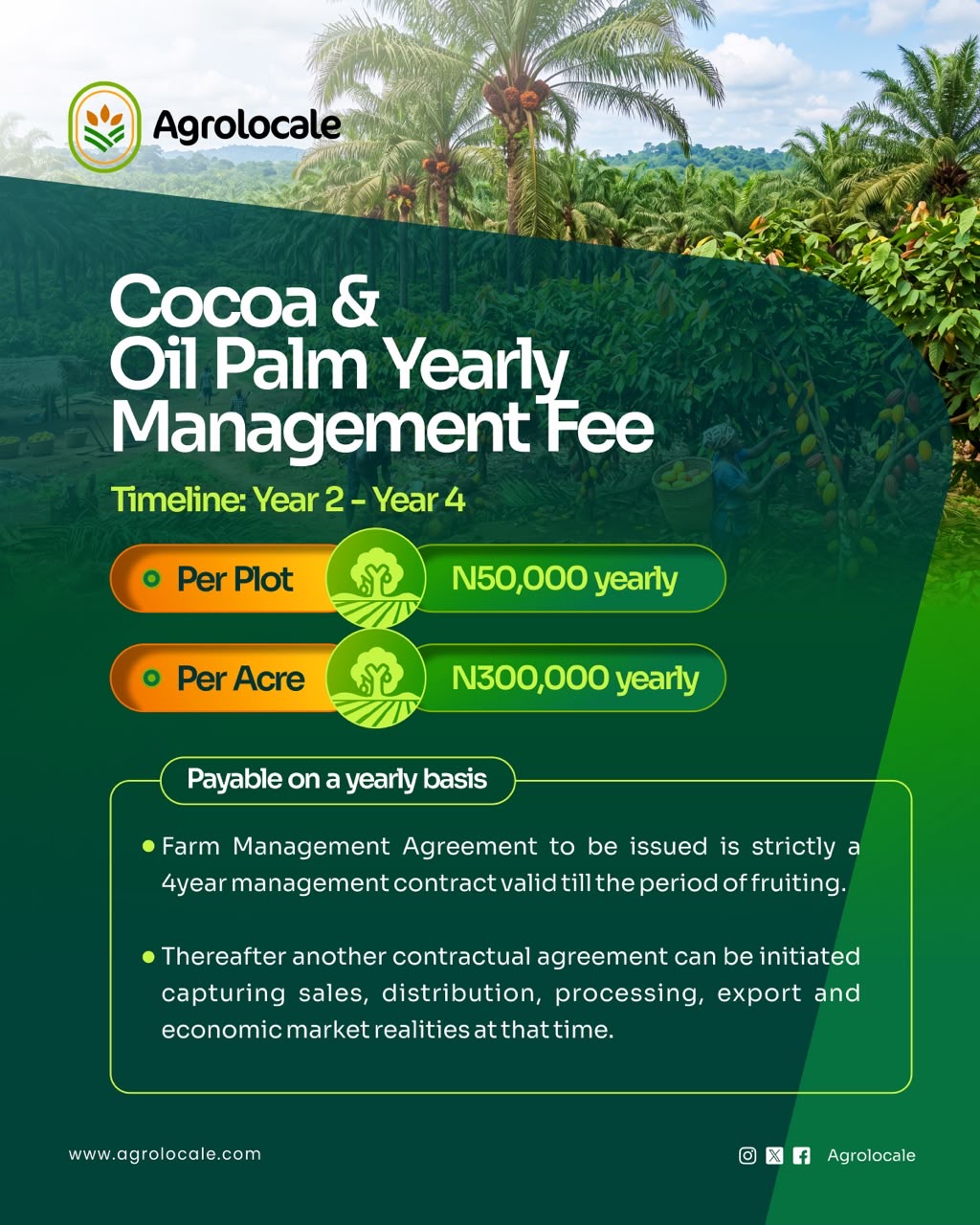
Investment-farm scams are usually structured to make a financial scheme look like a real agricultural business. The farm may exist, but the investment operation is often misleading, unlicensed, or dependent on continuously attracting new money. Typical structure: the promoter creates an attractive agricultural story (farm visits, photos, projected harvests); divides the investment into small affordable packages with certificates and payment schedules that look official without proving asset ownership; promises unusually predictable returns even though genuine farming income depends on weather, disease, prices and costs; builds a local sales network of trusted community agents; uses early payouts to establish trust and encourage reinvestment; expands its collection network faster than the underlying farm business; delays withdrawals with excuses; and collapses when new money slows.
Common variations: plantation schemes, land-linked schemes, livestock schemes, agricultural lease schemes, agro-processing schemes and resort/membership schemes. How to distinguish a genuine farm investment: who legally owns the land, how much is cultivated, historical yields, auditors, how funds are held, what regulator authorised it, and how investors exit. The key question is whether you own an identified asset or merely hold an unsecured promise.

(The poster notes this model was popular in India in the 1990s.)
Read more at nairaland.com