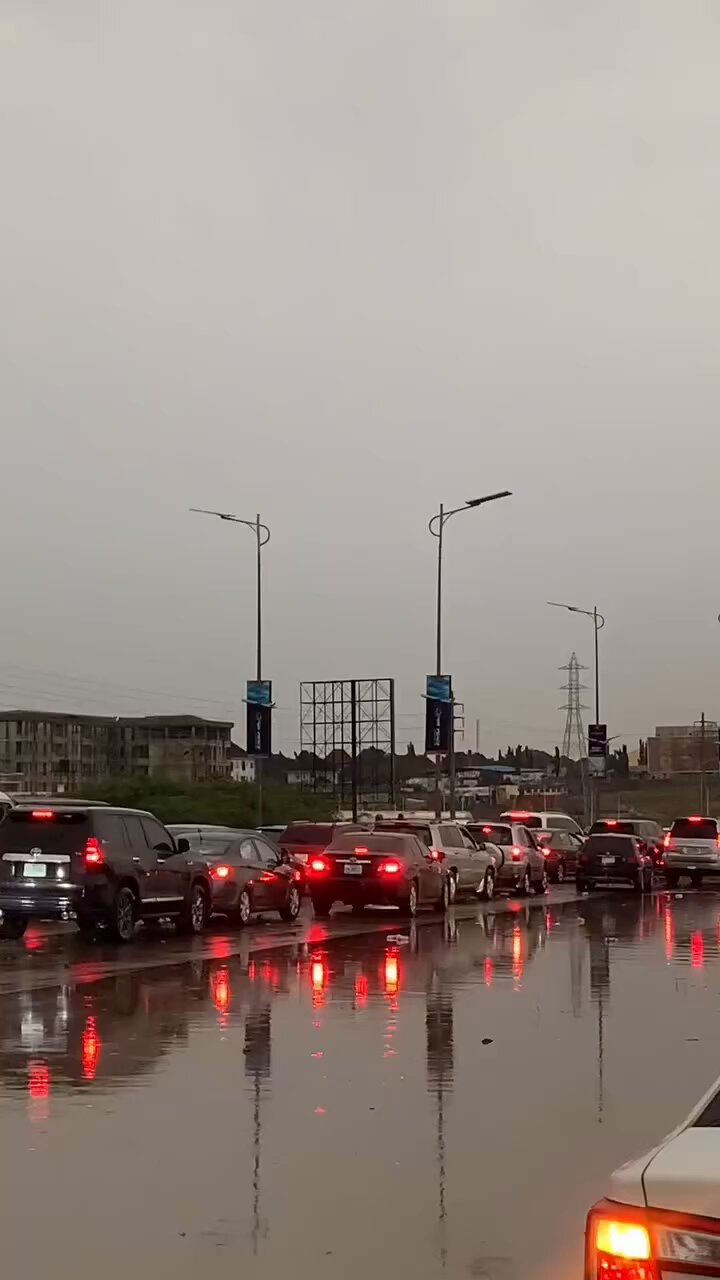
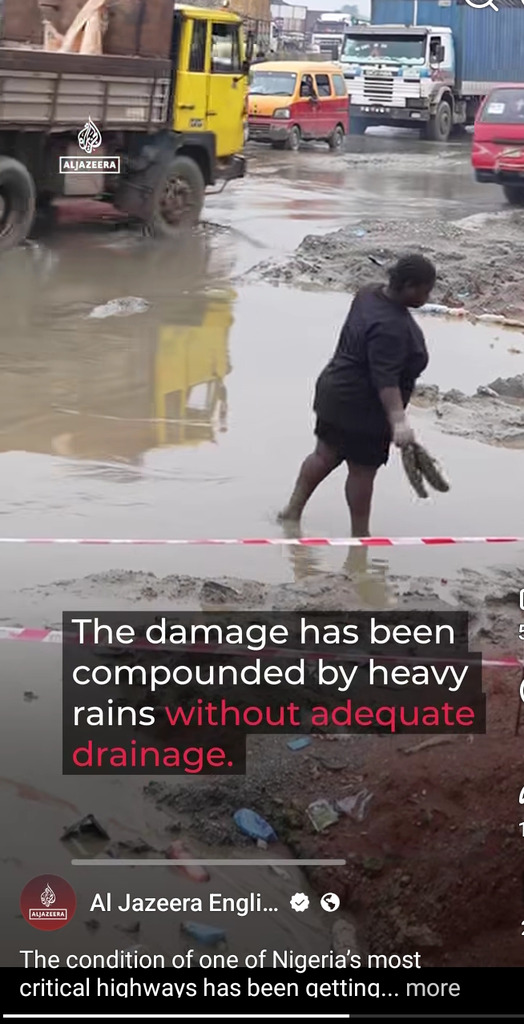
Rising petrol price and increasing transport fares are forcing Nigerians to change how they move around, with workers, parents, traders and other commuters cutting down on journeys, trekking longer distances and combining different means of transportation to reduce daily expenses, findings by Daily Trust have shown. The Dangote Petroleum Refinery had recently raised its gantry price by N85 per litre amid a sharp rise in international crude oil prices, from N1,265 to N1,350 per litre, representing a 6.7 per cent increase and bringing the product closer to the N1,500 per litre threshold in parts of the country.
The adjustment immediately triggered a fresh round of price increases by filling station operators, with motorists now paying between N1,395 and N1,460 per litre, even as crude oil rose to $108 per barrel. 'MY CAR IS NOW MAINLY FOR SCHOOL RUNS': Mrs Abisola Pedro, an entrepreneur and mother of three in Lagos, said the rising cost of petrol had significantly changed how she uses her car - now mainly for school runs and Sunday religious activities, leaving the car at the children's school rather than driving back home.
'WE NOW TREK TO SAVE TRANSPORT MONEY': Lagos resident Rehoboth Caleb said rising fares were pushing commuters to walk distances they would previously have covered by public transport: "The question is no longer just, 'How much is transport?' It is, 'How much of my daily income will remain after I get to work?'... Nigerians are not coping as much as they are surviving." Workers in Akure, Ondo State, said rising costs were pressuring incomes: Olusegun Hosea, a civil servant with the Federal Ministry of Education, spends about N2,000 daily on transport out of a N70,000 minimum wage and treks part of the distance; he called for subsidised government transport and welfare packages.
Ayodele Alabi, a private-industry worker in Akure, spends about N5,000 daily on fuel (about N150,000 monthly). 'I NOW WALK BEFORE TAKING A TRICYCLE': Fagbemi Bukola, a canteen worker in Akure earning N40,000 monthly, said her daily tricycle fare doubled from N700 to N1,500, so she now walks some distance before boarding to cut costs. Source: Daily Trust.