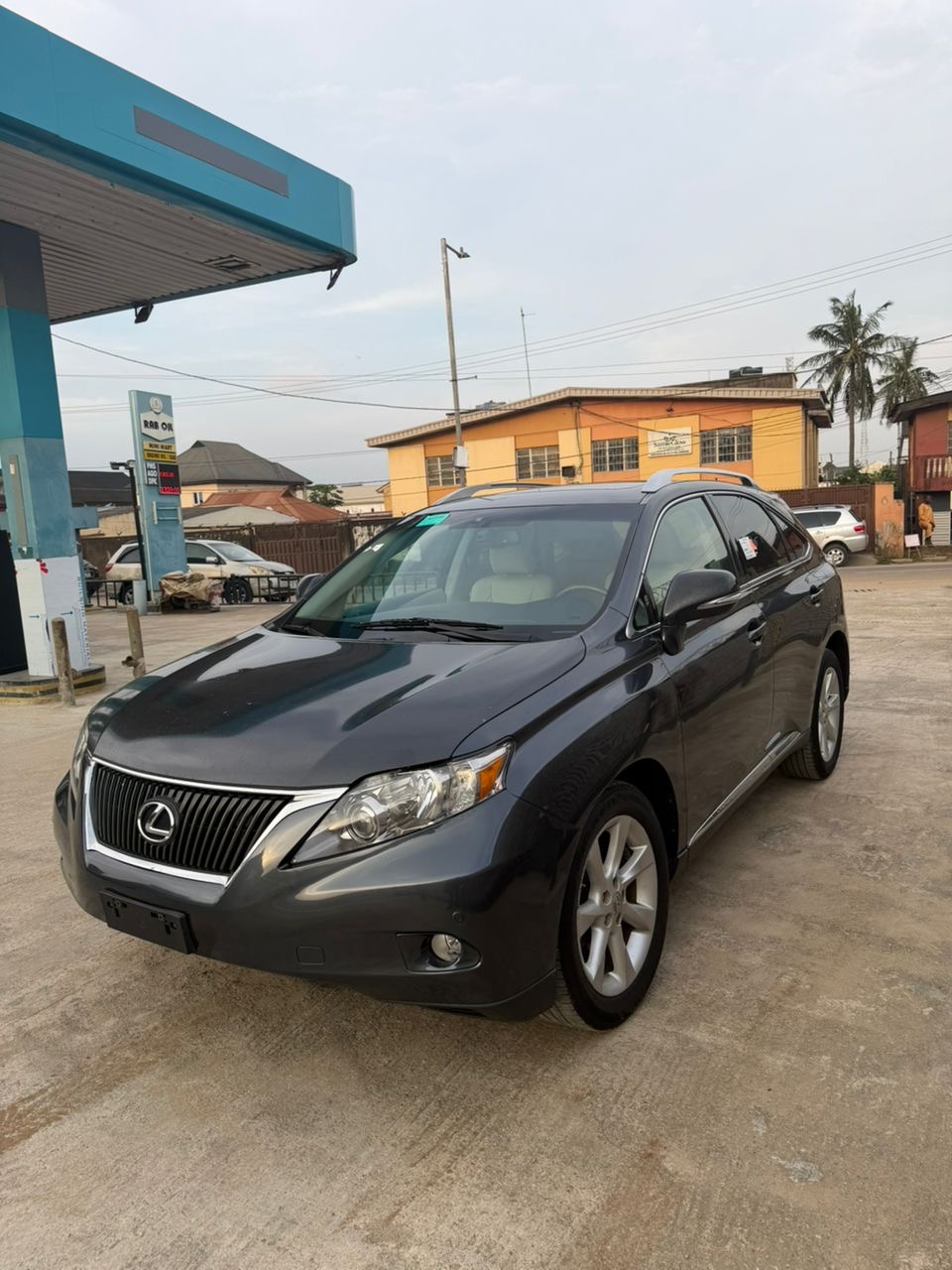
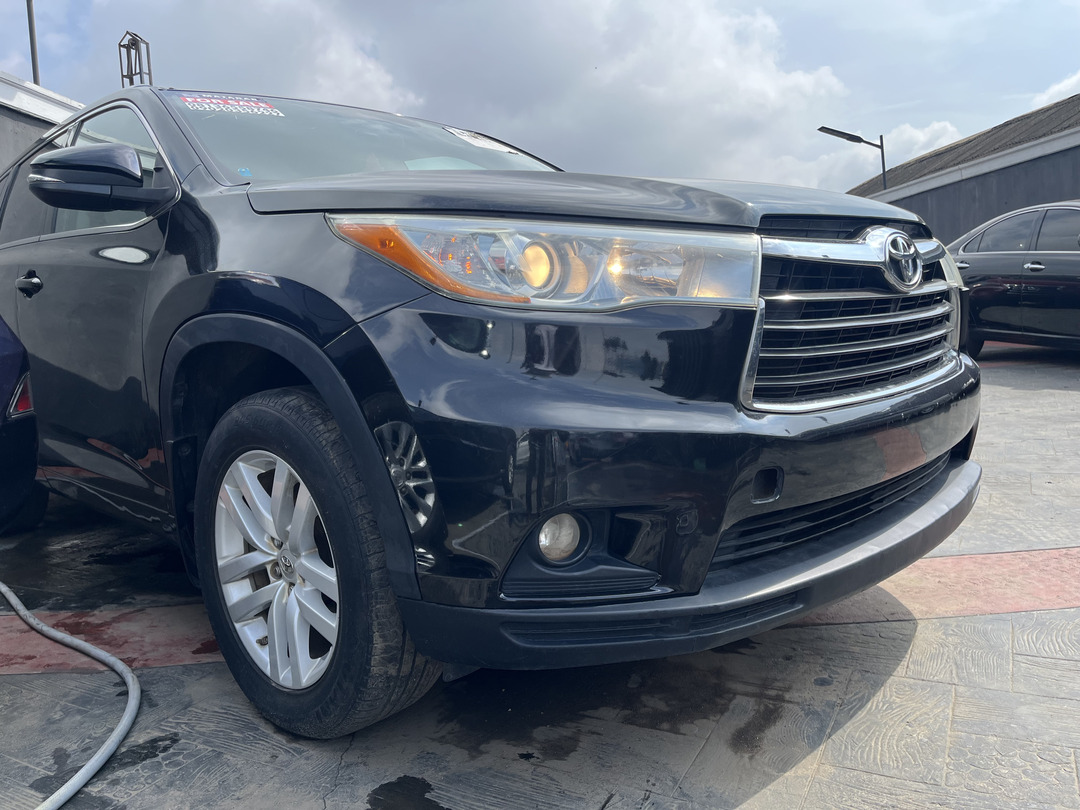
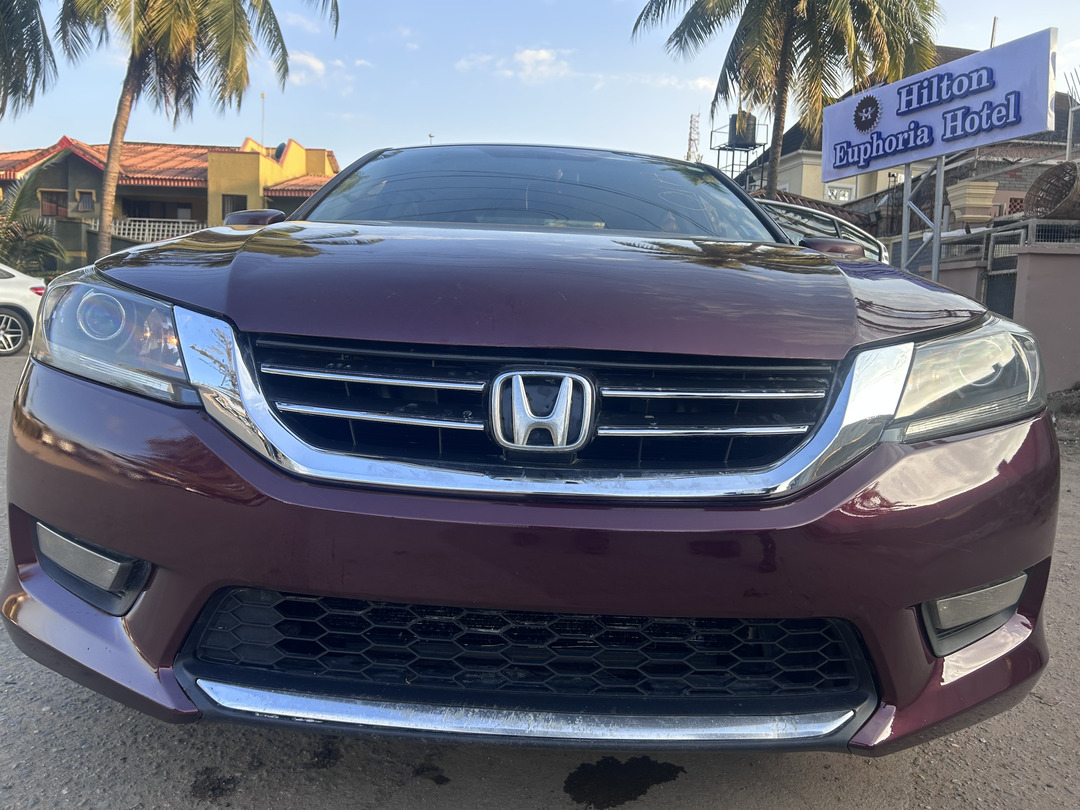
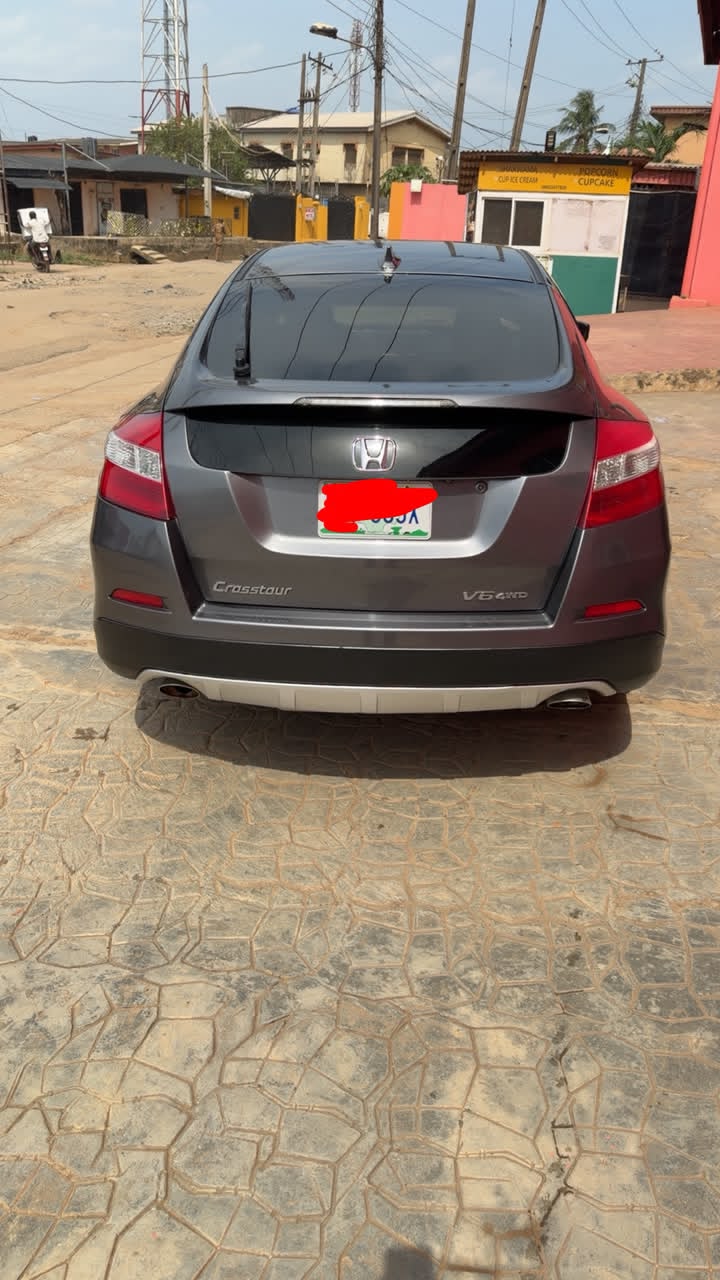
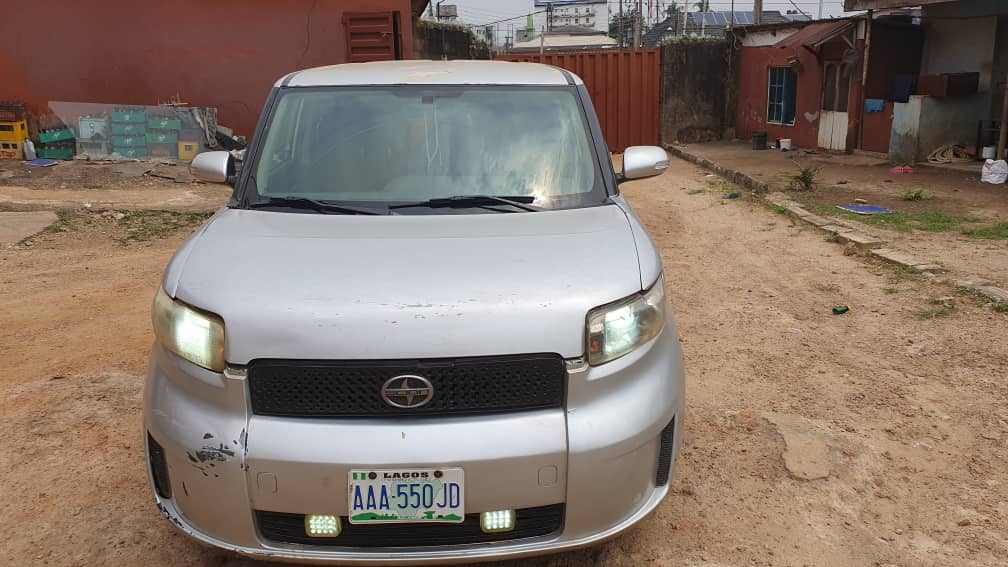
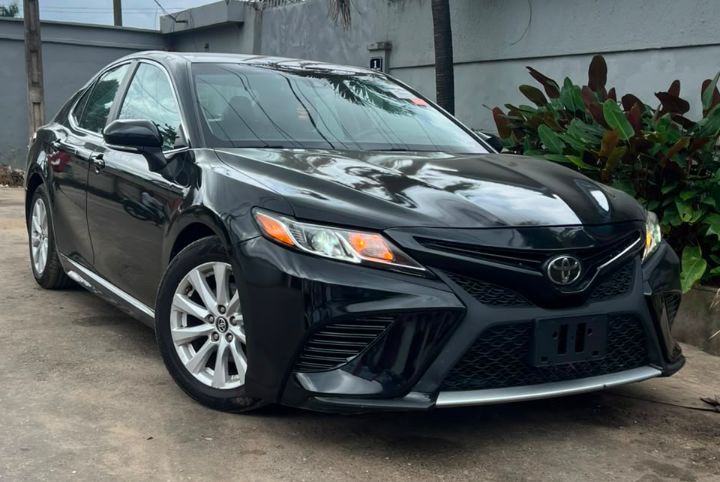
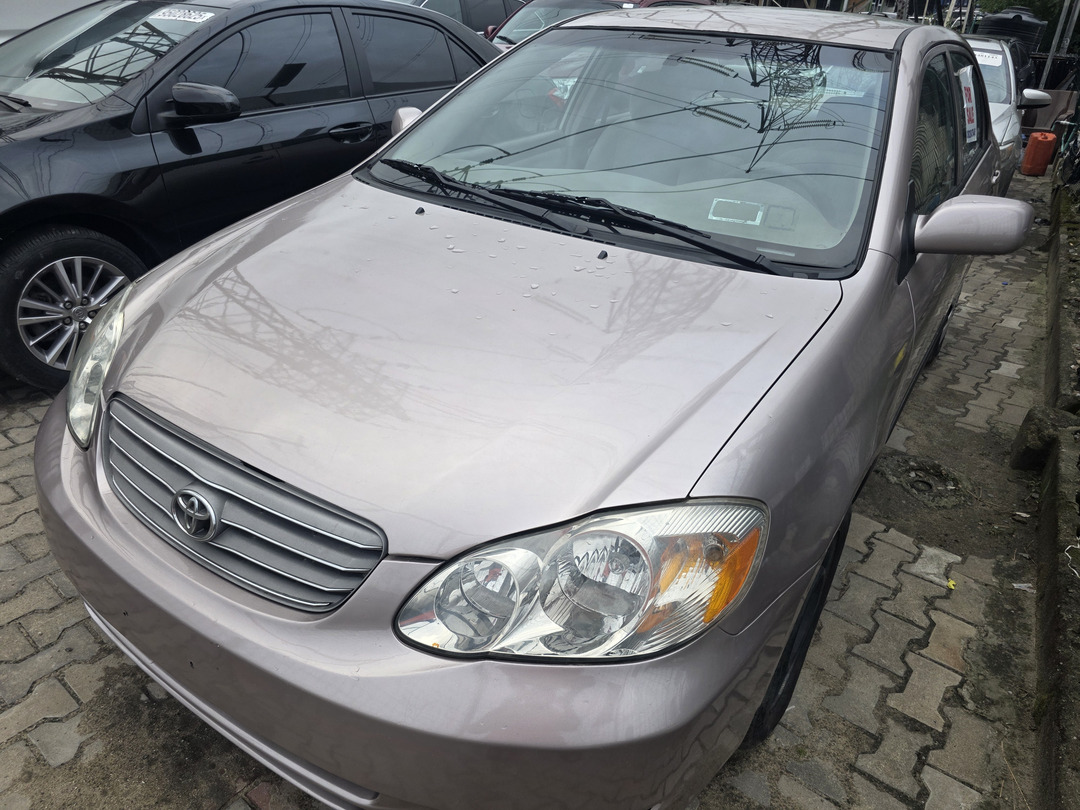
Buying a first car in Nigeria is an exciting milestone, but navigating the local auto market—with its mix of foreign-used ("Tokunbo"), Nigerian-used, salvage imports, and paperwork pitfalls can easily turn a dream ride into an expensive money pit. Know this rule of thumb: 95% of cars sold as Tokunbo are already refurbished Nigerian-used cars. Seeing their pictures snapped in Korea or China doesn't mean it was imported.
It's for photo ops. 1. Spending 100% of the Budget on the Purchase Price First-time buyers often exhaust their entire savings on buying the car, leaving nothing for initial expenses. A good rule of thumb is the 80/20 rule: spend 80% on the vehicle and reserve 20% for vehicle registration, genuine third-party or comprehensive insurance, baseline fluid/filter changes, and immediate minor repairs.
2. Ignoring Fuel Economy in a Deregulated Market With high fuel prices across the country, buying a fuel-thirsty V6 or V8 engine (like older Ford Explorers, Pathfinder, or ML350) as a daily commuter is an instant recipe for regret. Prioritize efficient 4-cylinder engines unless you genuinely need high towing or payload capacity. I recommend a Corolla 24 times a day. 3. Skipping VIN & Auction History Checks (Carfax / AutoCheck) Many "Tokunbo" cars imported from the US or Canada were written off as salvage, flood-damaged, or severe collision units by insurance auctions (Copart/IAAI).
Running a simple VIN search or Googling the chassis number reveals original auction photos, actual mileage, and structural damage before you pay. 4. Relying Solely on "First Body" Paint and Cosmetics Dealers know visual appeal sells cars fast. A gleaming exterior paint job, newly detailed interior, or an engine bay scrubbed with diesel often disguises underlying mechanical faults, frame damage, or rust underneath.
Do you prefer buying a beautifully-packed rice and beans just to manage the maggot inside? 5. Skipping an OBD-II Computer Diagnostic Scan Never rely on whether the "Check Engine" light is currently off. Shrewd sellers sometimes remove the dashboard LED bulb or tap it to the oil light so it appears normal on ignition. A handheld OBD-II scanner reveals hidden fault codes, sensor failures, and pending transmission issues.
It's cheap to buy these days from Temu or Jumia. You have to buy one for yourself. 6. Choosing "Status & Prestige" Over Practicality Opting for an older, heavily depreciated luxury German sedan (e.g., mid-2000s BMW or Mercedes) to impress peers often backfires. Complex air suspensions, fragile electrical harnesses, and expensive sensor arrays can quickly turn a luxury vehicle into a permanent yard ornament.
There is somebody somewhere thinking a 2010 GLK gives him more respect than a 2020 Toyota Corolla. 😆 7. Underestimating Spare Parts Availability and Mechanic Competence Before settling on a brand or model, verify that competent local mechanics understand it and that replacement parts are readily available at local markets (like Ladipo in Lagos, Coal Camp in Enugu, or Mararaba in Abuja).
Rare French, Italian, or obscure American models often end up parked due to lack of diagnostic expertise. If you want heart attacks, buy a Murano or a Range Rover. If peace of mind is your goal. 8. Ignoring Ground Clearance for Nigerian Roads Low-slung sports cars, sedans with ground-effects kits, or vehicles with ultra-stiff suspensions struggle with deep potholes, high floodwaters during rainy season, and unstandardized neighborhood speed bumps.
Stripped oil sumps and ruined control arms become frequent expenses. This is where you can decide between sedans and SUVs. 9. Failing to Verify Customs Papers and Documentation Buying a car with fake or incomplete Nigeria Customs Service (NCS) duty papers can lead to seizure by Customs task forces. Always verify the C-number on the customs single goods declaration (SGD) document and confirm the vehicle is not flagged as stolen before finalizing the transaction.
If you think the NPF are bad, wait until you have issues with custom officers. 10. Trusting the Seller’s Mechanic or Roadside Middlemen Never let the dealer or seller supply the technician who conducts the pre-purchase inspection. Bring your own independent mechanic or hire a professional mobile inspection service that has no personal or financial tie to the car's seller...before they sell you what Igbo people call "aka Nikita."
11. Buying a "Nigerian Used" Car Without Inspecting for Bad Modifications Nigerian-used cars can offer great value, but many suffer from improvised "hacks"—such as directly wiring radiator fans to run continuously, bypassing thermostats, using straight water instead of coolant, or installing mismatched generic shocks. 12. Believing the "AC Just Needs Gas" Excuse If the air conditioning is blowing warm air, never take the seller’s word that it only requires a gas top-up.
A non-functional AC in the Nigerian climate usually points to a dead compressor, leaking evaporator coil, or ruined condenser—all of which cost significantly more than a simple recharge. 13. Taking an Insufficient Test Drive A three-minute cruise on a smooth paved road inside an estate reveals very little. Test the car across various driving conditions: engage reverse, drive over slight bumps to listen for suspension clunks, accelerate onto an open stretch to check gear shifts, and sit in idle traffic with the AC on full blast to check for engine overheating.
No test am carry am enter your state oo. 14. Overlooking Odometer Rollbacks Mileage fraud is common in both foreign-used and local markets. Always compare the physical wear on the brake pedal rubber, steering wheel leather, driver's seat bolster, and tire manufacturing dates against the odometer reading. 15. Forgetting About Resale Value and Liquidity Your first car will rarely be your last.
Choosing popular models with high local demand (such as mainstream Toyota, Honda, or Hyundai sedans/SUVs) ensures that when it is time to upgrade, you can liquidate the vehicle quickly without absorbing massive depreciation losses. Show me a car with more resale value than the Corolla! Source: https://nairaguide.com/thread/15-mistakes-nigerians-make-when-buying-their-first-cars