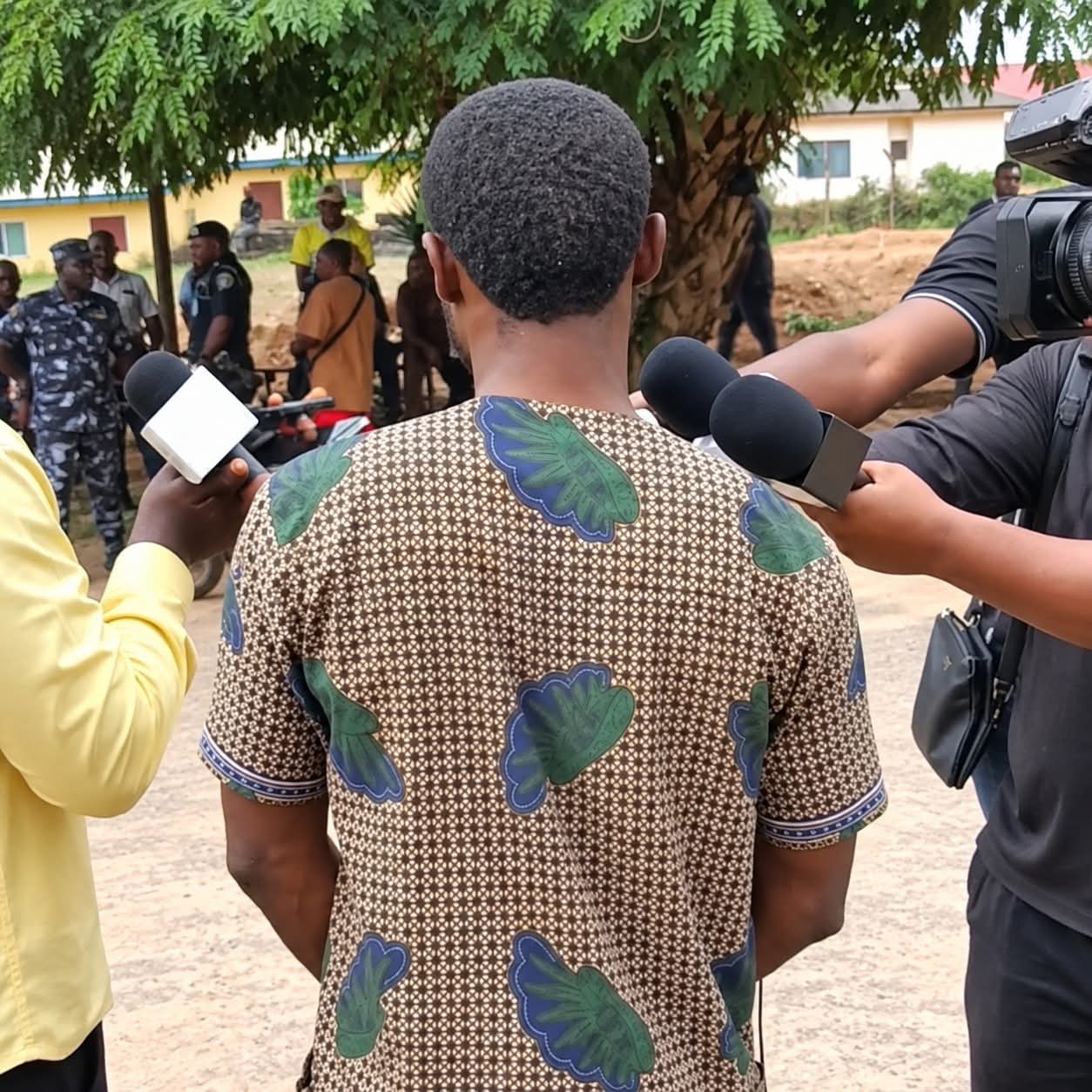
An investigation can dominate the news for weeks and then suddenly become difficult to hear about.
The public sees the arrest, the dramatic allegations, official statements and courtroom appearances. Then the headlines become less frequent.
This raises an important question: what happens to major investigations after the initial public attention disappears?
The ongoing cases involving former Kogi State Governor Yahaya Bello provide a useful case study.
The headline phase is usually the loudest
When a major investigation begins, there is usually plenty to report.
An agency announces an investigation. A suspect is invited, arrested or charged. Lawyers make statements. Government officials speak. Media organisations publish multiple reports.
At this stage, the story is easy to follow because every development can produce a headline.
But criminal cases are rarely decided at the speed of breaking news.
Once proceedings move into evidence, objections, cross-examinations and legal arguments, developments can become slower and more technical.
That is where public attention can begin to fade.
What happened in the Yahaya Bello case?
Bello has been facing separate criminal proceedings brought by the Economic and Financial Crimes Commission.
In one case before the Federal High Court in Abuja, the EFCC is prosecuting him on a 19-count charge involving alleged money laundering of about ₦80.2 billion. Bello has pleaded not guilty and denies the allegations.
A separate case before the FCT High Court involves 16 counts and an alleged ₦110.4 billion fraud. In June 2026, the court rejected Bello’s application seeking to stop that trial, allowing the proceedings to continue.
So, technically, the case did not disappear.
But the public may experience it differently.
Why the public stops hearing about such cases
One reason is the nature of court reporting.
A headline saying that an investigation has uncovered billions of naira in alleged wrongdoing attracts immediate attention.
A later report saying that a witness was cross-examined for several hours may attract far less.
Yet that second stage can be extremely important.
Witnesses are questioned. Documents are challenged. Lawyers raise objections. Judges make rulings. Evidence is admitted or rejected.
These details may determine what eventually happens to a case.
A case can become complicated
The Bello proceedings demonstrate how complicated a major financial case can become.
In April 2026, a prosecution witness gave evidence concerning alleged cash-to-dollar transactions. The defence challenged aspects of the evidence, while the court allowed the prosecution to continue.
In May, another issue concerned whether a witness’s statement could be admitted as evidence. The court scheduled a ruling after lawyers for both sides presented their arguments.
By June, witnesses were still giving evidence.
One prosecution witness told the court that Bello was not involved in certain property transactions being examined. That testimony came during cross-examination in the ongoing proceedings.
These developments show why it can be misleading to judge the progress of an investigation simply by counting headlines.
Investigation is not conviction
This distinction is often lost when major corruption cases dominate the news.
An investigation is an attempt by authorities to establish what happened and whether there is sufficient evidence to take further action.
A criminal charge is an allegation formally brought before a court.
A trial is where evidence is tested.
A conviction comes only after the court reaches a finding of guilt.
That means an investigation receiving less media coverage does not automatically mean the allegations have been proven, abandoned or forgotten.
The media has a role too
News organisations also face difficult choices.
There are thousands of court cases across Nigeria, and journalists cannot report every hearing in detail.
Breaking developments receive attention because they affect a large audience immediately.
Routine hearings may receive less coverage even when they are legally significant.
This can create a strange situation where Nigerians know everything about how an investigation started but know very little about what happened months or years later.
What happens when there are no regular updates?
The gap creates room for speculation.
Some people may assume that an investigation has been abandoned.
Others may assume that a suspect has been cleared.
Another group may believe that the government deliberately stopped pursuing the matter.
None of those conclusions should be made simply because news coverage has become quieter.
The proper question is: what does the official record show?
Public institutions also have a communication problem
Law-enforcement agencies can contribute to the problem when they communicate heavily at the beginning of an investigation but provide fewer accessible updates as proceedings continue.
The EFCC says it has investigated more than 60,000 cases and filed more than 15,000 cases in court, illustrating the scale of the agency’s workload.
For the public, however, numbers alone do not explain what happened to an individual case.
People want to know whether a case is still under investigation, before a court, awaiting ruling, undergoing trial or concluded.
Clear and consistent public information can reduce confusion.
The Bello case raises a bigger question
The important lesson from the Bello proceedings is not that the case disappeared.
It is that public attention can disappear long before a case does.
While headlines become less frequent, lawyers may still be arguing, witnesses may still be testifying and judges may still be making decisions.
That creates a challenge for journalism and public accountability.
A serious investigation should not be measured only by how loudly it begins.
The more difficult test is whether the public can still understand what happened after the cameras moved elsewhere.
To Nigerians following major corruption cases, the most important question is therefore not simply, “What happened when the investigation started?”
It is:
“What happened next?”
Source: https://yaroinsider.ng/why-investigations-yahaya-bello-case/