When a journalist reports on the handling of public projects, the natural response should be scrutiny of the facts.
But what happens when the journalist becomes the subject of a police invitation?
That is the question now surrounding ObjecTV publisher Segun Olawoye.
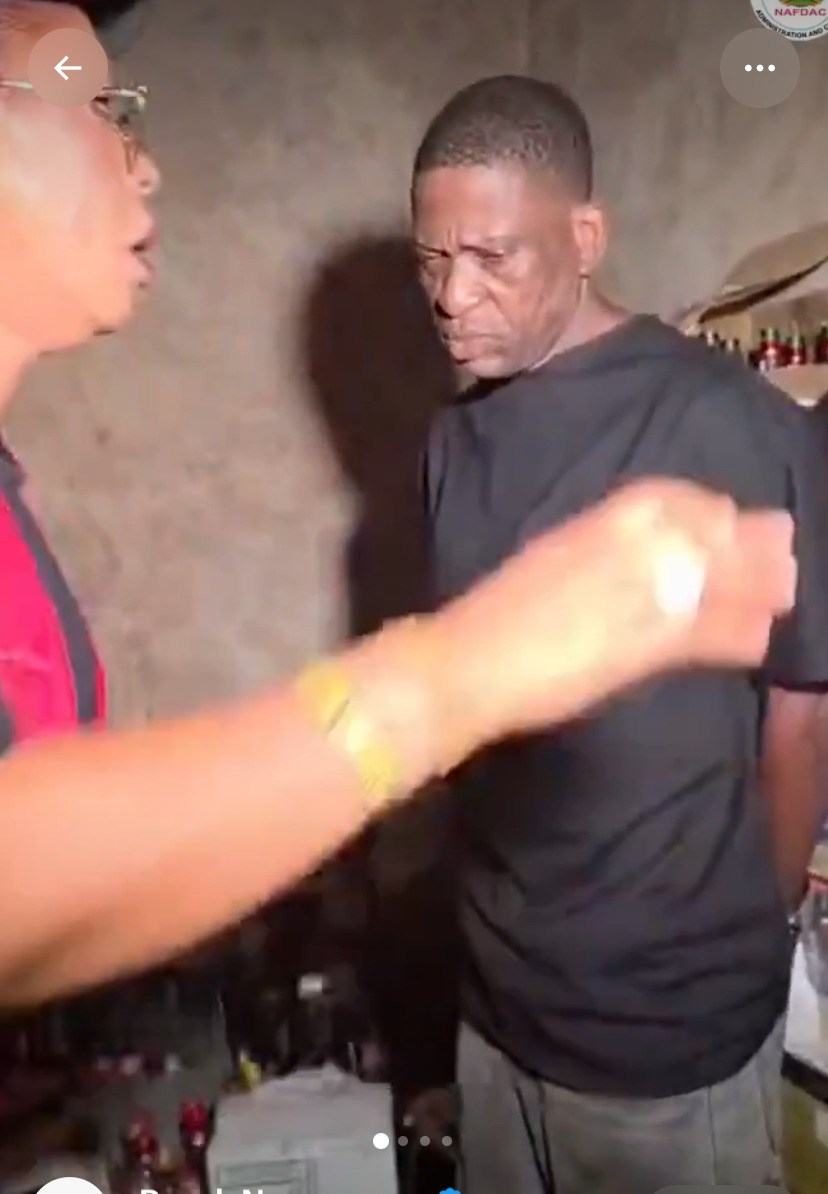
According to a report by Sahara Reporters, Olawoye was invited by the Police Special Fraud Unit in Lagos over a matter connected to his organisation’s reporting concerning public projects involving the Ministry of Works and LARalek.
The police invitation letter reportedly described the matter as an investigation in which the publisher’s name featured prominently.
It also described the invitation as fact-finding and stated that Olawoye could attend with his lawyer.
That distinction matters.
An invitation for questioning is not the same thing as a criminal conviction, and being mentioned in an investigation does not establish wrongdoing.
But the development raises an equally important question:
What exactly is being investigated?
What did the journalist report?
The public deserves to know the specific report that triggered the investigation.
Was it about the quality of a government project?
Was it about the money spent?
Was it about procurement?
Was it about the contractor?
Was it about alleged irregularities?
Or is the dispute primarily about the way the report was presented?
These questions should be answered with evidence.
Public projects belong to the public
When government money is used to build a road, school, hospital or other infrastructure, citizens have a legitimate interest in how that project is executed.
Journalists are among the people who investigate such projects.
That does not give journalists immunity from accountability.
If a report contains false information, the facts should be established.
If a journalist makes an error, corrections should be possible.
If there is evidence of criminal conduct, the appropriate authorities can investigate.
But criticism of a public project should not automatically be treated as evidence of criminal behaviour.
The bigger issue is transparency
There is a simple way to settle many disputes surrounding public projects:
Publish the records.
Show the approved project.
Show the contract value.
Show the contractor.
Show the procurement process.
Show the payment records where legally disclosable.
Show the project’s specifications.
Show the completion status.
Then allow journalists and citizens to examine the evidence.
If a journalist says a project is poorly executed, the strongest response is not simply to challenge the journalist.
It is to demonstrate the quality of the project with verifiable evidence.
What exactly is the police investigating?
This is perhaps the most important unanswered question.
A police invitation can arise from different circumstances, and an invitation alone does not tell the public what offence, if any, is ultimately established.
The reported invitation says the police were investigating a case in which Olawoye’s name featured prominently. It reportedly requested his appearance at the Police Special Fraud Unit headquarters in Lagos for an interview.
The public therefore needs clarity on the precise allegation and the evidence behind it.
Without that information, people should be careful about reaching conclusions.
Journalism must also be accountable
There is another side to this story.
Investigative journalism is powerful because it can expose problems that might otherwise remain hidden.
But powerful journalism also carries responsibilities.
Reporters should verify documents.
Claims should be supported by evidence.
People accused of wrongdoing should have an opportunity to respond.
And allegations should not be presented as established facts.
That standard protects both journalists and the people they investigate.
The real test
The most important question is not whether a journalist has been invited by the police.
The real question is what happens next.
Will the evidence behind the original reporting be examined?
Will the journalist’s allegations be independently investigated?
Will the authorities publish relevant information about the project?
Will any wrongdoing discovered during the process be addressed?
And if the reporting turns out to contain errors, will those errors be corrected?
Those are the questions that matter.
Public accountability should survive scrutiny
Nigeria needs journalists who can investigate public projects.
It also needs institutions capable of responding to investigative reports with evidence.
The two should not be enemies.
If a journalist gets something wrong, evidence should establish it.
If a government project is being questioned, records should answer the questions.
And if wrongdoing has occurred, the appropriate legal process should determine responsibility.
The public ultimately deserves both responsible journalism and accountable government.
Because when billions of naira are spent on public projects, the most important person in the conversation is not the politician, contractor or journalist.
It is the Nigerian citizen whose money is being spent.
Source: https://yaroinsider.ng/police-invite-objectv-publisher-after-public-project-reports/