Big Money, Big Questions: The Undue Influence and Political Risks Behind Yayi’s Campaign Flee
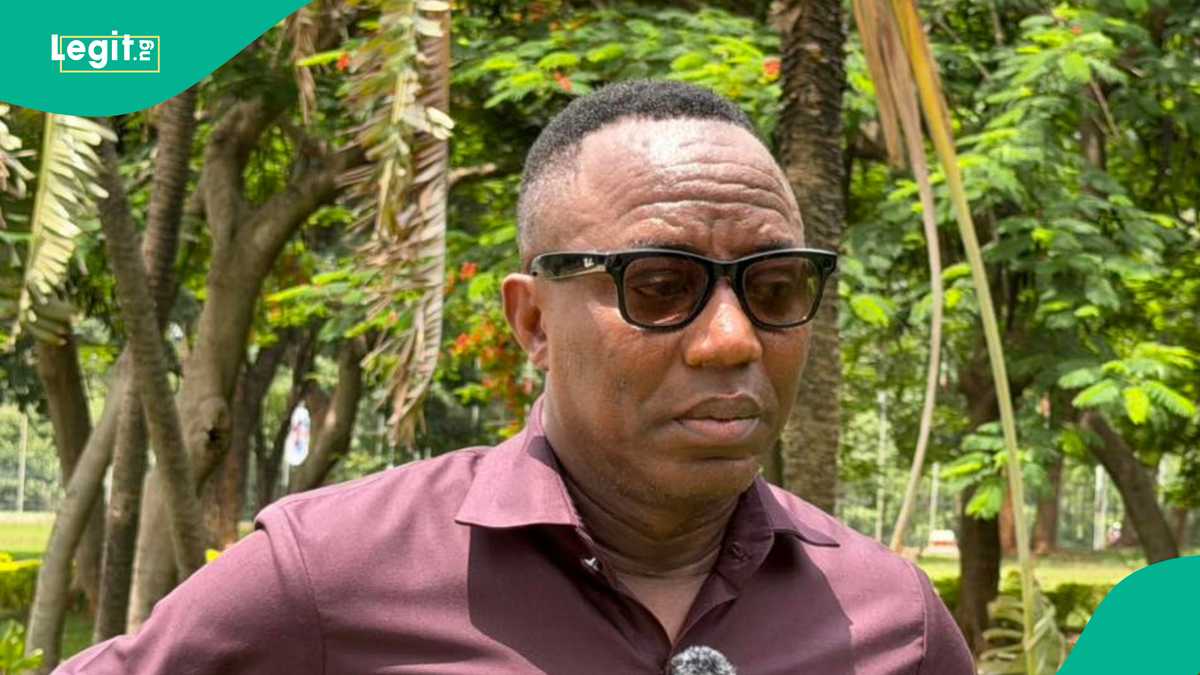
In a grand display of political muscle and grassroots mobilization, the campaign organization of Senator Solomon Olamilekan Adeola, popularly known as YAYI, recently published an elaborate roll call of donors who contributed scores of vehicles, ambulances, and campaign funds to his political movement in Ogun State.
While the publication was intended as a public show of appreciation and broad-based support, it has sparked intense debate among governance experts, public interest advocates, and voters regarding the darker side of mega-donations in local politics.
Beneath the public celebration lies a web of potential conflict of interest, corporate patronage, and the subtle distortion of democratic governance.
- The Shadow of Corporate Patronage and Future Reciprocity
Among the list of donors are prominent corporate entities and business empires, including real estate developers, engineering firms, and oil companies (e.g., Stonebridge Engineering Services Ltd, Zacobass Oil & Gas, and Amazon Luxury Apartments).
In public administration, massive private donations from corporate bodies to active political actors rarely come without unstated expectations. When engineering firms and commercial enterprises fund campaign fleets to the tune of 10 buses each, it raises immediate questions regarding future state government contracts, procurement favors, and regulatory leniency should the movement attain executive power.
Governance analysts warn that large-scale corporate campaign financing often leads to state capture, where public policy is tilted toward rewarding campaign financiers rather than serving the public interest.
- Controversy Surrounding High-Profile Financiers
The public acknowledgment of individuals with controversial public profiles, such as Alhaji IBD Dende, who donated 7 buses and an ambulance, brings significant reputational risks. The open association with and financial dependence on figures whose business dealings have frequently drawn public scrutiny and regulatory debate raises fundamental questions about political ethics and vetting mechanisms within campaign organizations.
When political movements rely on high-stakes donations from controversial figures, it risks compromising future law enforcement, border monitoring, and revenue generation efforts in regional hubs like Ogun State.
- The Commodification of Politics and Distorted Playing Fields
The sheer volume of vehicles donated, totaling well over 100 buses, pickups, and special vehicles, highlights the escalating cost of politics in Nigeria. By legitimizing massive fleet donations from wealthy elites, political movements deepen the monetization of the electoral process.
This hyper-financialization creates an uneven playing field that effectively shuts out competent political aspirants without access to wealthy backers or corporate cartels. Instead of competing on policy ideas, governance track records, and manifesto proposals, political strength is increasingly measured by the size of a candidate’s donor-funded motorcade.
- Public Health Infrastructure vs. Political Logistics
One of the most striking details in the donor breakdown is the donation of an ambulance for political campaign operations. In a region where public health infrastructure often suffers from a shortage of emergency management vehicles, the deployment of medical response equipment for political mobilization underscores a distortion of societal priorities. It raises a critical question: when essential public infrastructure becomes a tool for political campaigning, who truly benefits?
- Monetized Religious and Grassroots Mobilization
The operational deployment of these vehicles directly names religious leaders, community heads, and grassroots leaders, including various Imams, traditional leaders, and youth group representatives. By funneling high-value logistics through religious and community figures, political operations risk monetizing sacred and traditional institutions. Rather than serving as neutral moral compasses for the public, religious and community leadership can end up perceived as mobilized arms of a heavily funded political machinery.
The Price of “Free” Donations
While Senator Adeola’s camp framed these donations as voluntary sacrifices driven by grassroots passion, the public record tells a broader story. Large-scale, unchecked political donations are rarely free; they carry an implicit price tag often paid by the public through compromised governance, targeted patronage, and the erosion of democratic fairness. As Ogun State moves closer to its political transition, voters must critically assess whether a campaign driven by elite financial interests can truly deliver impartial governance for all.