Nysc is responsible for the childs wellbeing and should be the one presenting an hospital explanation of what is wrong with Michael. You can argue that if Michael didn't go for nysc, he wouldn't be in this condition.
If Michael's condition is deteriorating, obtaining an urgent assessment at a properly equipped hospital is particularly important. Depending on the findings, specialists may need to investigate neurological, psychiatric or other possible causes.
Prayer and emotional support can coexist with medical care.
The priority should be Michael's safety, dignity and recovery, not an unverified explanation of what happened to him.
When We Say Insecurity Is a National Problem, Why Do Some People Disagree?
Michael's reported ordeal raises a broader question about how Nigerians understand insecurity.
Whenever insecurity is discussed in Nigeria, the conversation frequently centres on terrorism, banditry, kidnapping, communal violence and attacks by armed groups from the North.
Michael had lived all his life in the north and had no problem until he was transferred to the south for nysc.
These are serious threats that deserve urgent attention.
But the wider question of national safety also requires us to consider whether citizens can travel, work, study and fulfil their obligations without being exposed to unacceptable risks.
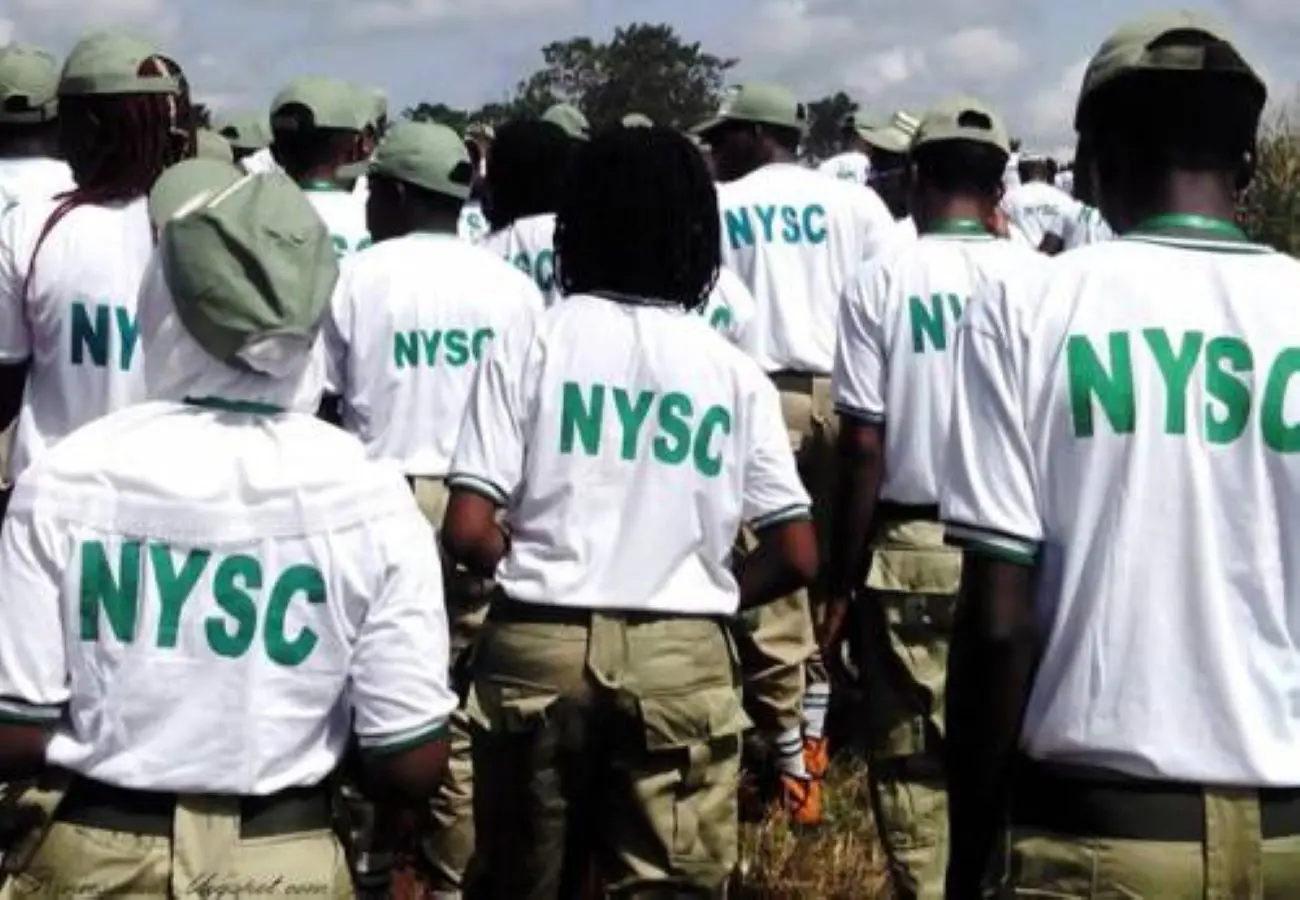
For young graduates, the NYSC programme is a particularly important example.
Every year, graduates are posted to states and communities far from their homes. They leave familiar surroundings, travel to new locations and begin working with people they may never have met before.
Their families trust that the institutions responsible for their deployment will take reasonable steps to protect their welfare.
When a corps member experiences a serious crisis away from home, the questions should not end with whether the incident occurred in a region associated with a particular political or security narrative.
The relevant questions are straightforward.
What happened?
Was there a security incident, a medical emergency or another underlying problem?
Was the corps member able to access help?
Did the relevant authorities respond appropriately?
And what measures can prevent similar suffering or ensure that affected corps members receive prompt assistance?
These questions should be asked regardless of whether the person involved is serving in northern Nigeria, southeastern Nigeria, southwestern Nigeria or any other part of the country.
National insecurity cannot be discussed honestly if the safety of Nigerians is treated as a regional competition.
However, it is equally important to distinguish between a tragic personal or medical incident and a confirmed security attack. Michael's reported condition, by itself, does not establish that he was attacked or that insecurity caused his memory loss.
The wider lesson remains that the safety and welfare of Nigerian citizens should matter everywhere.
The NYSC Programme and the Safety of Corps Members.
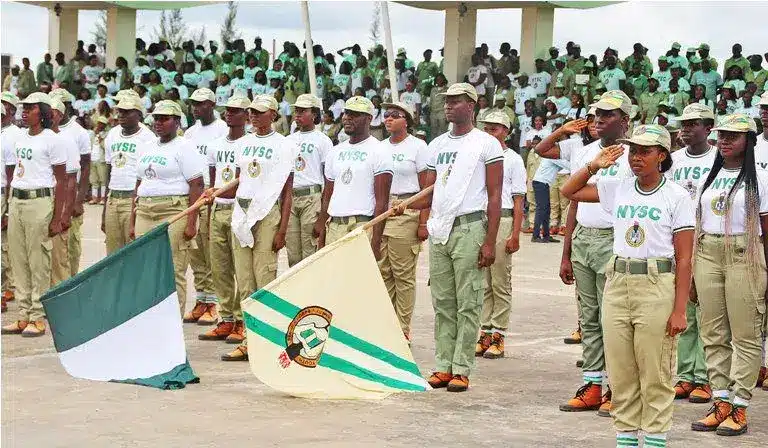
The NYSC scheme is one of Nigeria's most recognizable national institutions. It was established to promote national unity and integration by bringing graduates into communities outside their usual environments.
For many participants, the experience creates friendships, professional opportunities and a deeper understanding of other parts of the country.
Yet serving away from home can also create challenges.
Corps members may have limited family support nearby. Some are unfamiliar with their host communities, while others may struggle to access appropriate healthcare, accommodation or emergency assistance.
These realities make effective welfare arrangements essential.
The authorities responsible for corps members should be able to respond when a participant develops a serious illness, experiences a psychological crisis, goes missing or becomes unable to care for himself or herself.
In a case such as Michael's, important questions include whether his condition was assessed promptly, what support he received during his service year and whether the circumstances surrounding his return home were properly documented.
These are questions for the relevant authorities to clarify rather than matters that should be settled through speculation on social media.
If the case has not already received a comprehensive assessment, Michael and his family deserve assistance in finding the appropriate medical and social support.
His situation should also encourage the NYSC to ensure that corps members and their families know how to report emergencies and obtain help.
A national service programme should not merely deploy graduates across the country. It should also maintain meaningful systems for responding when their welfare is threatened.
The Pain of Losing Your Memories.
One of the most disturbing elements of Michael's reported story is the claim that he struggles to recognise people who were once familiar to him.
Memory is central to how people understand themselves and their relationships with others.
Our memories connect us to our childhood, education, friendships, family experiences and personal achievements. They help us recognise the people around us and navigate the world.
When memory and orientation are severely affected, even ordinary daily activities can become difficult.
What Should Happen Now?
The immediate priority should be Michael's wellbeing.
If his condition is worsening, his family should seek urgent medical evaluation, particularly if the memory loss developed suddenly or is accompanied by new confusion, weakness, severe headache, seizures, fever or other concerning symptoms.
A qualified medical team can assess possible causes and determine what investigations or specialist referrals are necessary.
The family may also benefit from social support, counselling and assistance in navigating healthcare services.
Beyond his immediate care, several steps could help establish the facts surrounding his ordeal.
First, the circumstances of his condition should be documented. Information about when the symptoms began, where he was at the time, whether he experienced an illness or injury and what happened in the days before his condition changed could help professionals understand the case.
Second, the relevant NYSC authorities should clarify what they know. If the circumstances have not already been reviewed, the appropriate officials could establish what assistance was provided and whether there are outstanding welfare concerns.
Third, public attention should be directed towards finding help. If the family wishes to make the case public, verified information about his needs and the support required could encourage responsible assistance from individuals, organisations and relevant institutions.
These steps would turn public concern into something useful.
Nigeria Must Learn to Put Human Lives Above Regional Arguments
Nigeria is a country of many ethnic groups, languages, religions and regional identities.
Unfortunately, discussions about national problems can sometimes become competitions over which region suffers more, which government receives more criticism and whose experiences deserve public sympathy.
If a young Nigerian from Kaduna State experiences a serious crisis while serving in Abia State, the appropriate response should be concern for his welfare and a determination to understand what happened.
The same principle should apply if a graduate from Abia State experiences a similar crisis while serving in Kaduna, Kano, Lagos, Rivers or any other state.
Citizens should not have to prove that their suffering is politically convenient before it receives attention.
At the same time, responsible reporting requires us to distinguish between confirmed facts and unanswered questions.
Michael's reported memory loss is deeply concerning, but the available account does not establish that a violent attack occurred or that a specific region's security situation caused his condition.
What it establishes is a need for answers, appropriate medical attention and concern for a young man whose reported circumstances have alarmed those who have heard his story..
The family of Michael Femi Babalola Deserves Answers, Care and Hope for their son.
Michael Femi Babalola's story, as it has been described, is a painful reminder that the challenges facing Nigerian families can extend far beyond the issues that dominate political discussions.
Michael is more than a headline so as other corps members that are being kidnapped and killed across the country. They are all human beings who deserves help, dignity and the chance of recovery. Visit mannurmedia blog for full story and updates on this matter and others