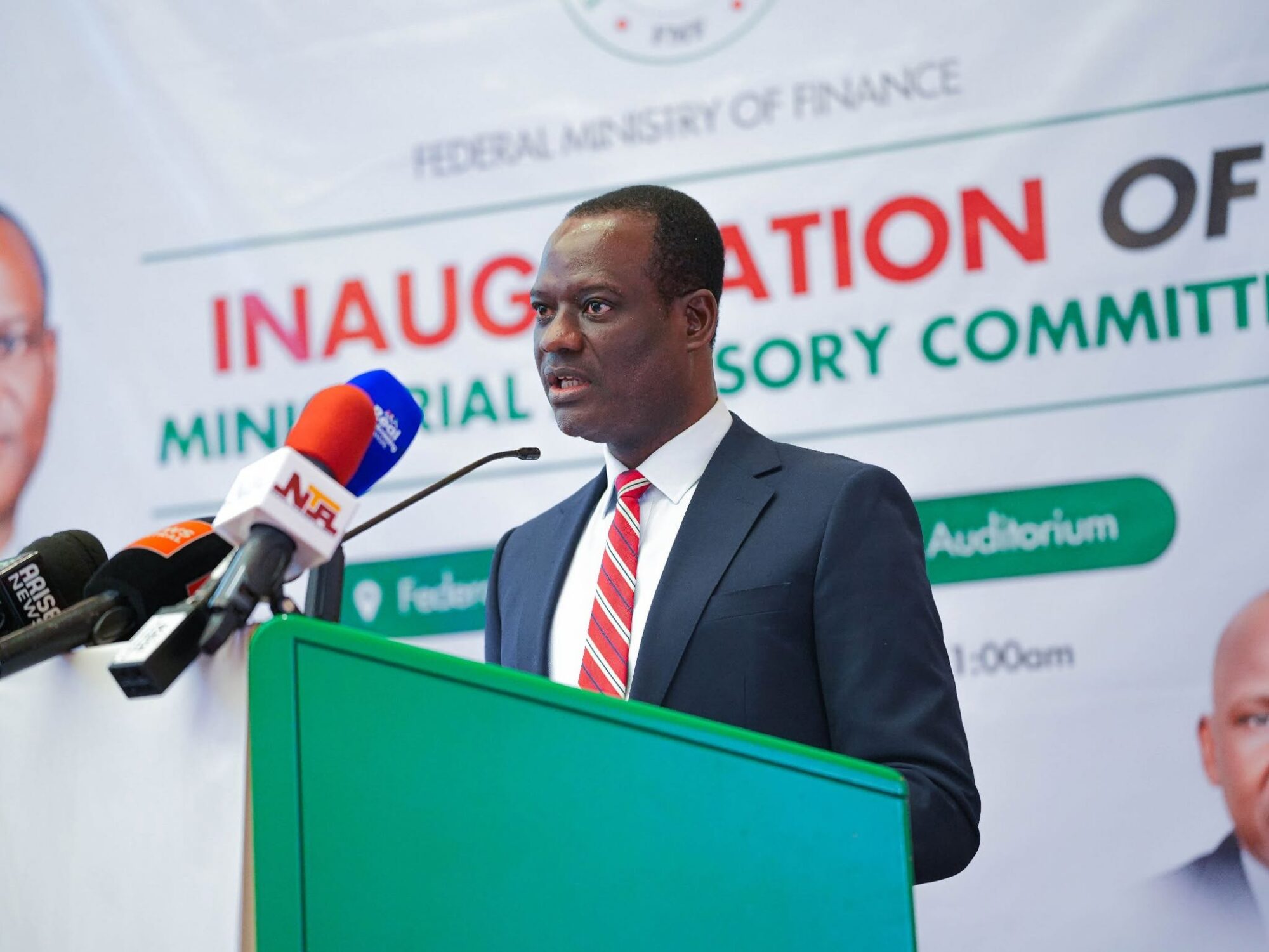
The Federal Government has urged state governments to take greater responsibility for maintaining primary healthcare centres and employing health workers permanently, following increased financial allocations to states. The Executive Director and Chief Executive Officer of the National Primary Health Care Development Agency (NPHCDA), Dr Muyi Aina, made the appeal during a quarterly media briefing in Abuja, stressing the need for stronger commitment from state and local governments to sustain healthcare services.
Aina explained that while the Federal Government provides policy direction, sets standards and supports infrastructure development, state and local governments bear significant responsibility for managing primary healthcare facilities and ensuring their effective operation. He said federal interventions aimed at revitalising primary healthcare centres were intended to address existing gaps rather than permanently replace the responsibilities of subnational governments.
“The issue of maintenance of facilities is the responsibility of states and local governments in some instances,” he said, urging journalists to support advocacy efforts to encourage increased investment in healthcare by state governments. The NPHCDA chief executive disclosed that more than 4,400 primary healthcare facilities had been revitalised nationwide through contributions from federal and state governments, development partners and the private sector.
He clarified that the figure reflected collective efforts by various stakeholders, noting that the agency had directly re-equipped more than 500 primary healthcare centres. According to him, the agency is also leveraging partnerships and funding mechanisms to encourage states to invest in healthcare infrastructure and employ health workers on a permanent basis rather than depend on temporary appointments.
Aina said approval had been secured to use the human resources for health component of the Basic Health Care Provision Fund as an incentive for states to recruit health workers permanently. On maternal and child health, he reported improvements in antenatal care attendance, skilled birth deliveries and immunisation services between 2023 and 2025. He said quarterly attendance for first antenatal care visits increased from 1.6 million in 2023 to 1.8 million in 2025, while attendance for fourth antenatal visits rose from 598,000 to approximately 830,000 within the same period.
Skilled birth attendance also increased from 483,000 per quarter in 2023 to more than 700,000 in 2025, he added. On efforts to reduce maternal deaths, Aina said the Maternal Mortality Reduction Innovation Initiative (MAMI), implemented in 172 high-burden local government areas, recorded a 17 per cent decline in facility-based maternal mortality between the baseline and the first year of implementation.
He said additional data on the initiative would be presented at the forthcoming Joint Annual Review scheduled for November. Addressing the diphtheria outbreak, Aina disclosed that 93 per cent of affected children were either unvaccinated or had not completed their vaccination schedules. He said confirmed cases and deaths had been reported in 25 states, including the Federal Capital Territory, with Kaduna, Katsina, Kano, Plateau, Sokoto and Yobe among the most affected.
The agency, he added, was collaborating with the Nigeria Centre for Disease Control and Prevention and state governments to contain outbreaks, including through house-to-house vaccination campaigns in affected communities. Aina further disclosed that more than 1.5 million doses of pentavalent vaccine and 2.6 million doses of tetanus-diphtheria vaccines had been supplied across states to protect children and other vulnerable populations.
Meanwhile, the Director-General and Chief Executive Officer of the National Health Insurance Authority (NHIA), Dr Kelechi Ohiri, said Nigeria was making progress towards reducing out-of-pocket healthcare spending through expanded health insurance coverage. Ohiri reported a 42 per cent increase in coverage, describing it as the steepest increase recorded so far, while acknowledging that significant gaps remained.
He said an independent assessment by the Federal Ministry of Health and Social Welfare, to be validated by the World Health Organization, would provide a clearer picture of the country’s progress in reducing out-of-pocket healthcare expenditure. The NHIA chief executive emphasised that achieving universal health coverage would require sustained efforts to enrol more Nigerians in health insurance schemes and strengthen the overall healthcare financing system.