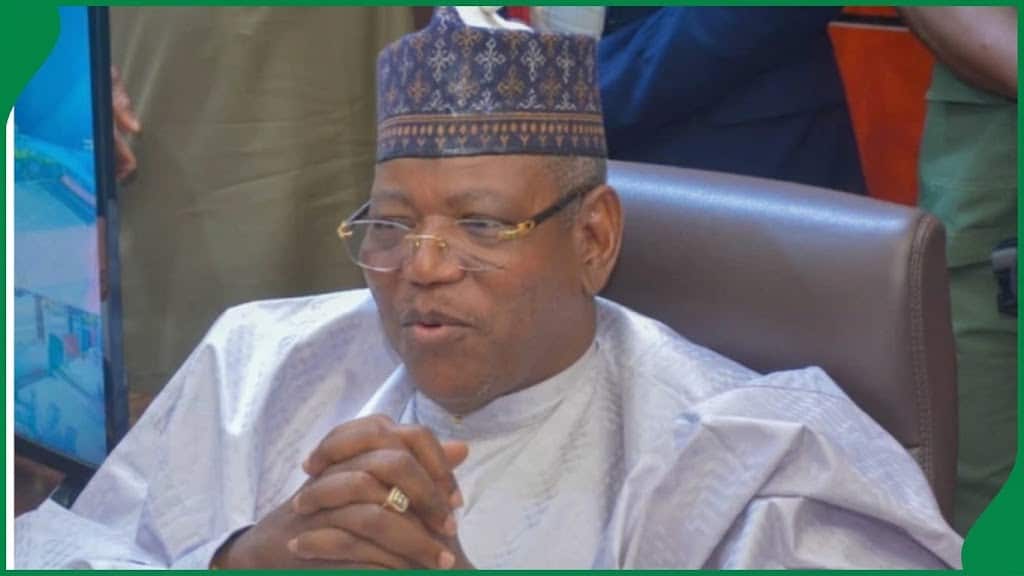
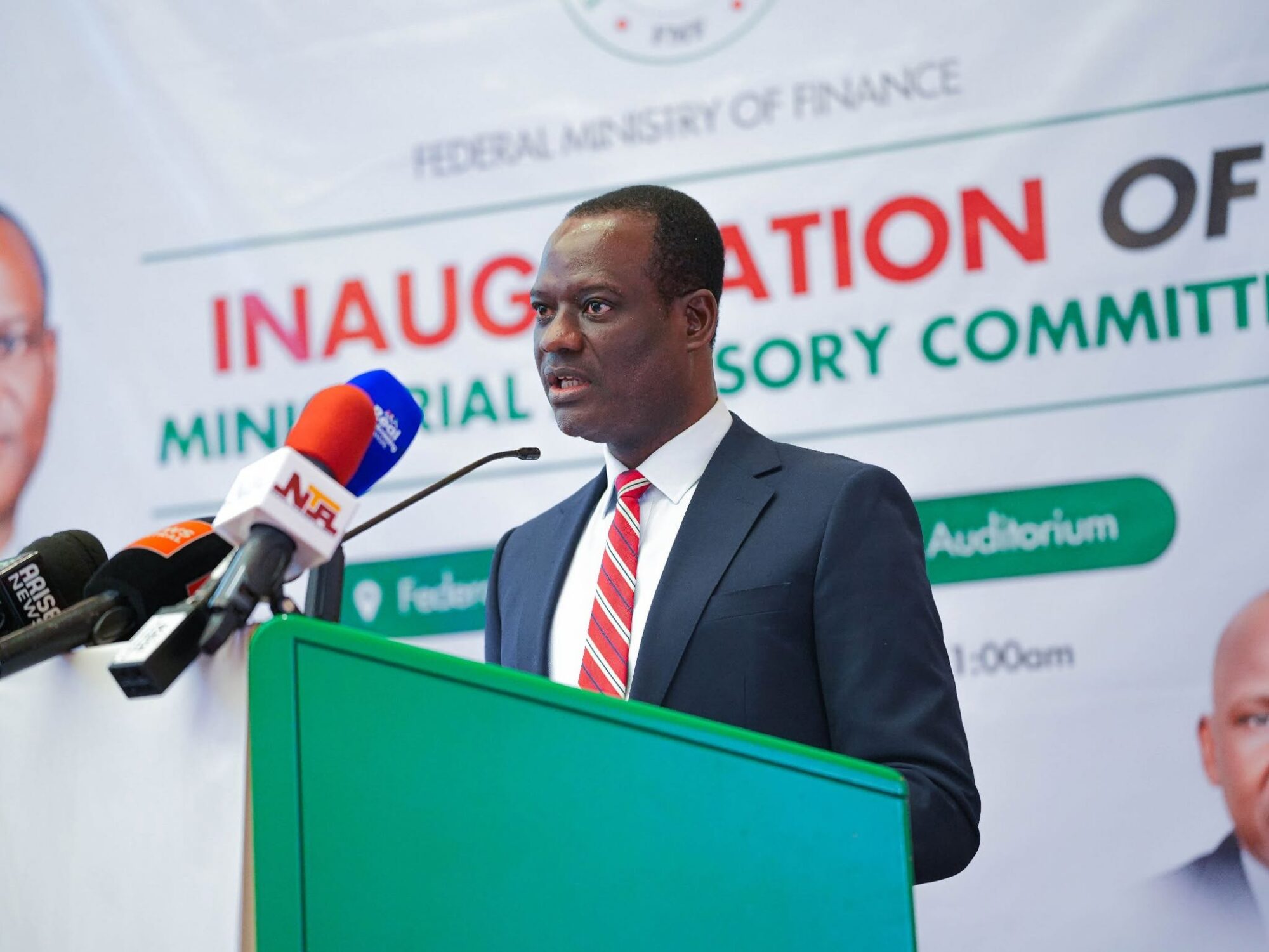
The convener of the G100 initiative, Malam Salihu Lukman has expressed confidence that opposition political parties will agree to field a single presidential candidate for the 2027 general elections, despite differences in their political interests and competing ambitions. Lukman said the leadership of the parties are committed to the process and taking necessary steps to achieve the proposed alliance, including consultations with other political parties beyond the initial six involved in the initiative.
He spoke during an interview on Channels Television’s Hard Copy, where he discussed efforts to unite opposition parties and the challenges facing the proposed coalition ahead of the 2027 elections. According to him, the success of the initiative depends largely on the ability of party leaders and presidential candidates to build trust and demonstrate a willingness to make sacrifices in the interest of the country.
He said the G100 initiative was established to engage political parties and their candidates on the need to recognise the challenges facing Nigeria and work towards a common electoral platform. Lukman explained that the initiative had made progress beyond its initial expectations, adding that the parties had begun engaging one another directly to build the confidence required to reach an agreement.
“The major issues which you journalists keep highlighting, and you don’t help matters at all, is the trust deficit among the parties and the candidates. If that is not addressed, all these issues about coming up with a united front or a single candidate, we may not be able to achieve,” he said. He, however, expressed optimism that the ongoing discussions would produce the desired outcome, insisting that Nigeria could not continue on its present path without significant political change.
“Politicians can lie to themselves, and at the end of the day let the candidates continue to hang on to their candidacy. At the end of the day, only one person will be president of the Federal Republic of Nigeria,” he said. The G100 convener cited comments by Catholic cleric, Cardinal John Onaiyekan, who had also questioned the prospect of opposition candidates splitting their votes among themselves while seeking to defeat the ruling All Progressives Congress (APC).
Lukman argued that opposition candidates needed to consider the consequences of contesting separately rather than remaining fixated on their individual presidential ambitions. He said he was encouraged by the commitment he had observed among party leaders, expressing confidence that they would eventually agree on a common direction. “I can tell you, and my confidence comes from what I see in the leadership of the parties.
They are committed and they are working, taking all the steps necessary,” he said. He added that the consultations were being expanded to accommodate other political parties, stressing that the process involved more than selecting a presidential candidate. According to him, the interests of candidates contesting for the Senate, House of Representatives, governorships and state Houses of Assembly would also have to be considered to ensure that the proposed arrangement was acceptable to the participating parties.
Lukman said the process was intended to enable the parties to agree on a framework that would reflect their collective interests and provide a new political direction for the country. On his participation in the initiative, he said his interest was not driven by personal political ambition, adding that he had no intention of seeking elective or appointive office. He also addressed his earlier decision to suspend his membership of the African Democratic Congress (ADC), explaining that it was prompted by internal disagreements and concerns that the party was beginning to reproduce the political practices the coalition had sought to avoid.
He said the decision had helped him engage other parties without the suspicion that he was advancing the ADC’s interests. Lukman expressed confidence that the ongoing political engagement could eventually produce a stronger alliance, whether through the ADC, another existing party or a new political platform. He maintained that the initiative was bigger than any individual or political party, urging political leaders to prioritise the welfare of Nigerians over their personal ambitions.
On how the parties intended to reconcile their different policy positions, Lukman said the G100 was working towards a minimum programme of action that participating candidates would commit to implementing if the proposed alliance formed the next government. He explained that the objective was not necessarily to harmonise every party’s manifesto but to identify priority areas on which the candidates could agree.
According to him, a working group would examine existing policy proposals from the different candidates and develop a clearer framework for implementation. He cited proposals on food production and fuel subsidy among the issues that could feature in the discussions, adding that the candidates had already developed policy ideas that could be reviewed and incorporated into a common programme.
Lukman said the proposed framework was expected to give Nigerians confidence that a government emerging from the alliance would have a clear plan to address the country’s challenges. He also acknowledged that supporters of different opposition candidates could pose a challenge to the proposed arrangement, particularly those unwilling to accept a candidate other than their preferred choice.
However, he urged them to encourage their political leaders to make decisions that would serve the country’s long-term interests. “We must act as patriots who are more interested in the well-being of citizens, who are looking forward to a situation whereby our children and our grandchildren should inherit something better from us,” he said. Lukman said the ongoing consultations were aimed at ensuring that the eventual decision would be driven by the participating parties and their candidates, rather than imposed by outsiders.
He expressed the hope that the process would produce an arrangement capable of moving Nigeria in a new direction after the 2027 general elections.