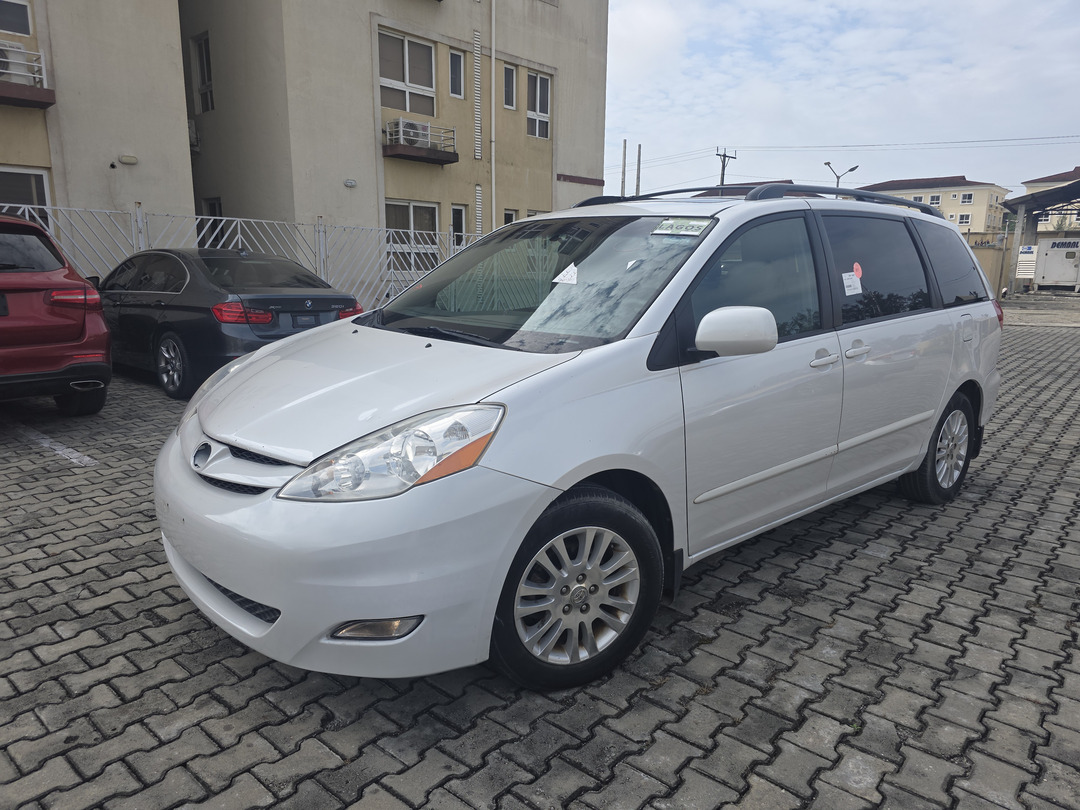
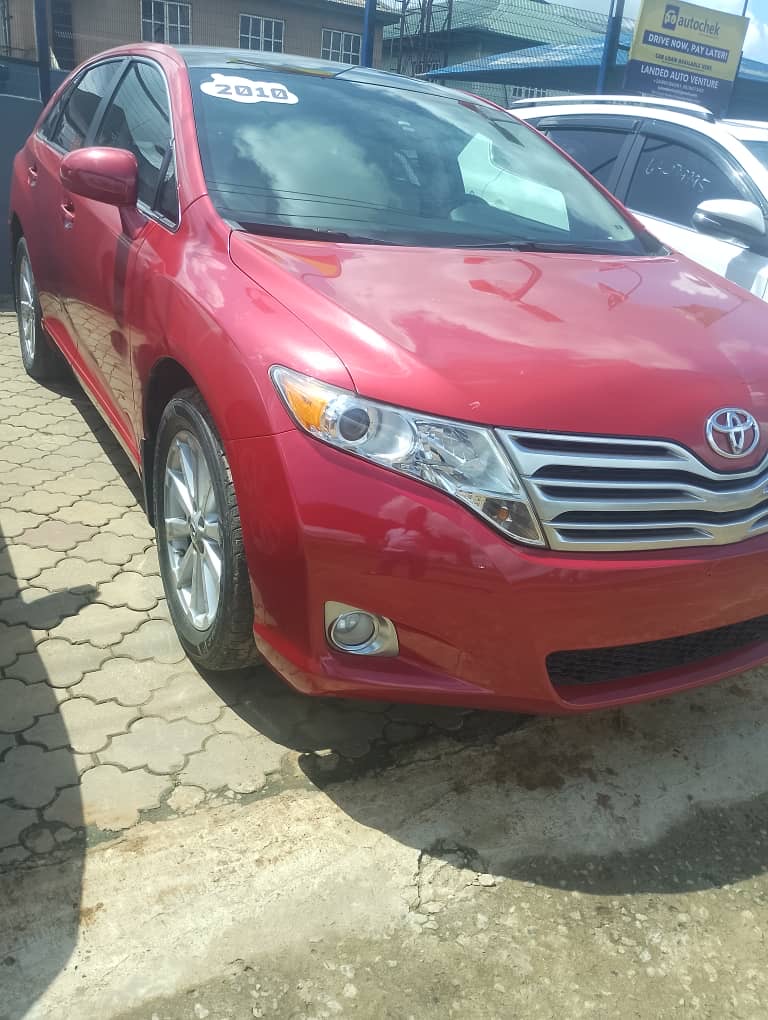
Buying a car in Lagos is one thing. Keeping that car on the road is another matter entirely. A lot of people calculate the cost of owning a car by looking at the purchase price. If the car is ₦10 million, for example, the thinking is that once the ₦10 million is paid, the major expense is over. But anybody who has owned a car in Lagos for some time knows that the real expenses start after the car enters your compound.
Fuel alone which now costs between ₦1,250 and ₦1,350 per litre can take a serious chunk of your income, especially if you drive long distances every day. Then there is servicing, engine oil, filters, brake pads, tyres, battery, suspension repairs and all those unexpected problems that suddenly appear when you least need them. And Lagos traffic does not exactly help. A journey that should take 30 minutes can take two hours.
Sitting in traffic with the air conditioner running means more fuel consumption. Constant stop-and-go driving also puts more stress on certain parts of the vehicle. The roads are another matter of its own. You may buy a car in good condition today, but after months of navigating potholes, bad patches of road and rough surfaces, suspension and tyre problems can start becoming regular expenses.
The funny thing about car ownership is that some of the costs don't arrive every month. You may have a relatively peaceful January where you only buy fuel and change your oil, then February comes and the mechanic tells you: “Ogba, your suspension needs attention.” Next thing, you are looking for hundreds of thousands of naira. Tyre develops a problem, that's when the battery will start acting up.
Soon, the air conditioner needs attention. Then something that has been making a strange sound for three months finally decides to stop working completely. Before you know it, the money you thought you were saving by owning a car has gone into keeping the car alive. There are also the costs many people don't think about when calculating their transport budget; insurance, vehicle documentation and renewals, parking, tolls, car wash, unexpected repairs, and dnd depreciation.
A car can lose value while you are spending money to maintain it. A 2025 Cowrywise analysis estimated that owning a modest used car in Lagos could amount to millions of naira over a five-year period once fuel, maintenance, repairs, regulatory costs and depreciation are considered. This does not mean owning a car is a bad decision. Far from it. For many Lagosians, having a car is necessary.
It can save time, provide comfort, make work easier and give you more control over where and when you move. The question is whether people are properly calculating the cost. For someone who drives from the Mainland to the Island every weekday, the calculation will be different from someone who only uses the car occasionally. For a business, the calculation is different again. A company may buy several vehicles thinking it is building its business, only to discover that fuel, servicing, repairs, insurance, drivers and vehicle downtime are eating into the company's cash flow.
This is one reason some businesses are beginning to look at vehicle rental and outsourced mobility as alternatives to owning and managing every vehicle themselves. Recent reporting on Lagos' corporate mobility market has highlighted rising acquisition, fuel and maintenance pressures as factors behind increased interest in vehicle rentals. Sometimes the question isn't: “Can I afford to buy this car?”
The better question is: “Can I afford to keep this car running?” Because a car that is sitting in your compound because you cannot afford the next repair is not really giving you the convenience you bought it for. For those who own cars in Lagos, what does your car actually cost you every month when you add fuel, maintenance, repairs, insurance, parking and other expenses? And honestly, if you calculated everything you spent on your car last year, were you surprised by the total? Let's hear from you.