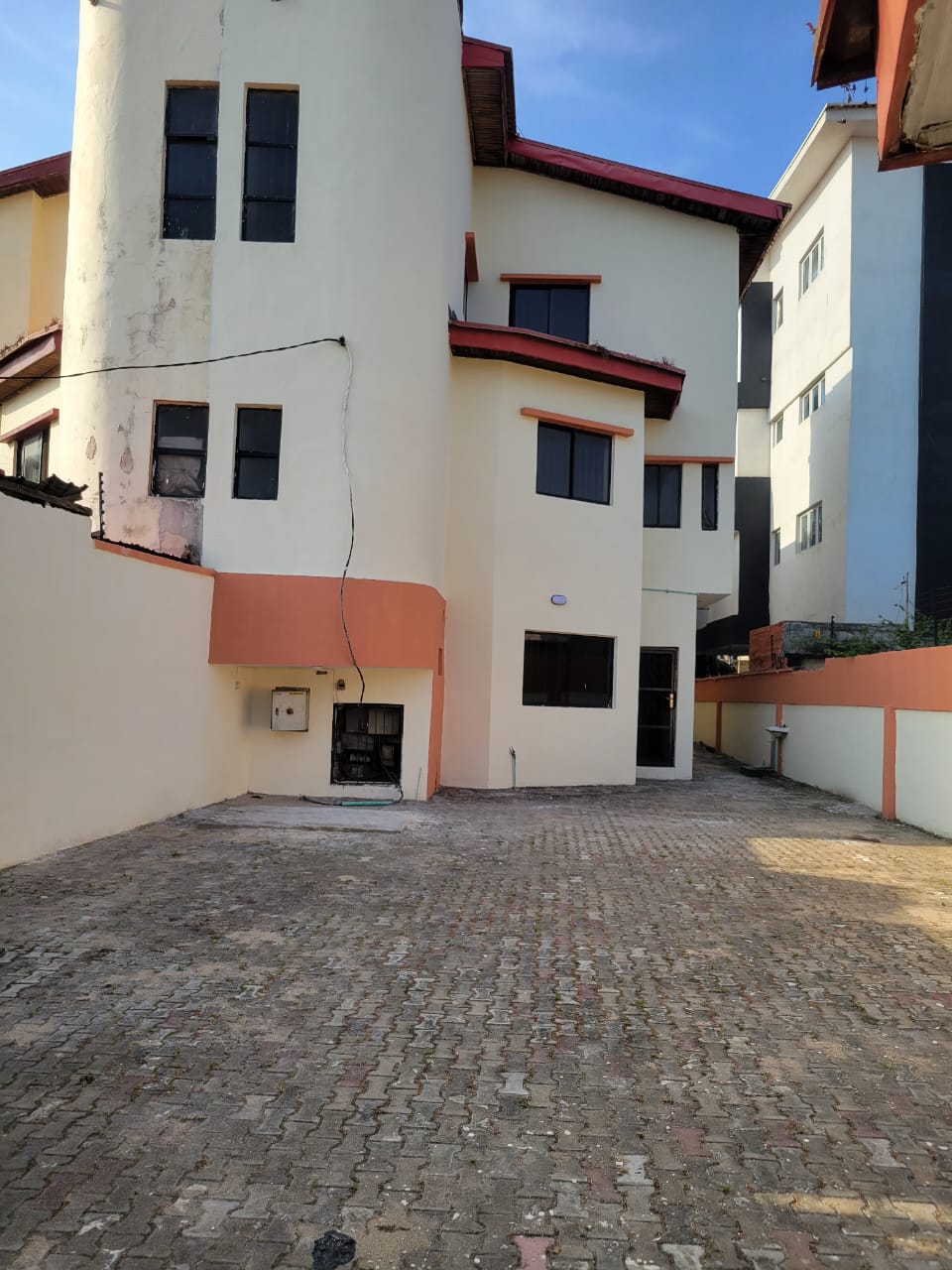
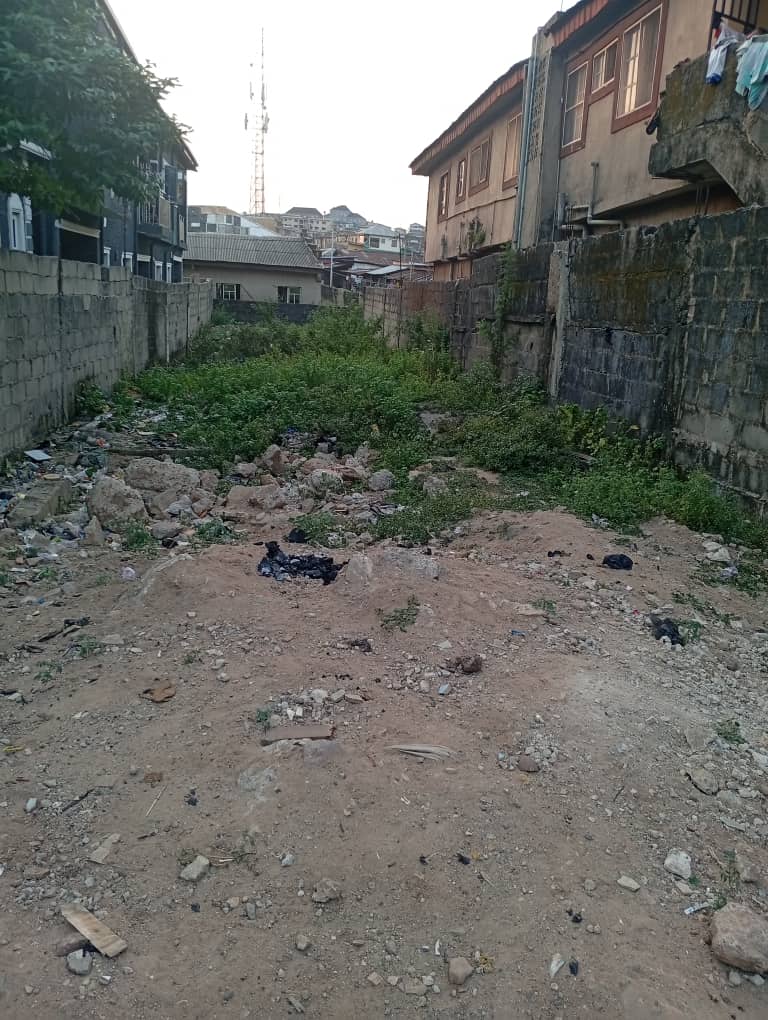
Living abroad shouldn't stop you from owning property in Nigeria—but distance makes proper verification even more important. Here are 12 steps to reduce the risk of buying a disputed or improperly documented property: 1. Hire an independent property lawyer - Don't rely exclusively on the developer, agent, seller, friend or family member introducing the property. Let your own lawyer review the transaction and title documents.
2. Ask for all title documents - Depending on the property and its history, these may include a C of O, Deed of Assignment, survey plan, allocation documents, receipts and previous title documents. 3. Conduct an official title search - Have your lawyer verify the property's records with the relevant State Ministry of Lands/Land Registry or official land information system. For example, AGIS provides property-search and land-record verification services in the FCT.
4. Verify the survey - Use a qualified surveyor to confirm the property's coordinates, boundaries, size and physical location. 5. Check for government acquisition - Find out whether the land falls within a government acquisition, committed area, road alignment, planning reservation or other restriction. 6. Check for litigation - Your lawyer should investigate whether the property is involved in court proceedings, family disputes, competing claims or other encumbrances.
7. Verify family/community ownership - Where the property originates from family or communal land, establish who has authority to sell and whether the required consents have been obtained. 8. Conduct a physical inspection - Don't purchase based solely on pictures or videos. Have an independent person or professional physically inspect the property and compare it with the survey and documents.
9. Use a trusted representative carefully - If you cannot travel to Nigeria, appoint someone you trust through properly documented authority. Don't give a relative or agent unlimited control over your money or property. 10. Make payments through traceable channels - Avoid handing large amounts of cash to individuals. Make payments to the proper account/entity stated in the transaction documents and retain receipts and evidence of every payment.
11. Ensure the transaction is properly documented - Depending on the property and jurisdiction, government consent and registration may also be required. NIPC's investment guide notes that buyers should have title and restrictions checked before proceeding. 12. Use official digital systems where available - Some Nigerian states now provide online land-information services. For example, Enugu's official platform provides survey-number searches, interactive maps and location verification, while Kaduna's KADGIS provides online property-search functionality.
The Golden Rule for Diaspora Buyers Never send your entire property budget to an agent, friend, developer or family member simply because you trust them. Use this process: Property inspection → Independent lawyer → Title search → Survey verification → Acquisition/litigation checks → Written agreement → Proper payment → Registration/documentation. For diaspora buyers, the goal shouldn't simply be to find a cheap property—it should be to establish that the person selling has a legitimate interest that can legally be transferred to you.