Thousands of Nigerians continue to die in road crashes every year. Despite road safety campaigns, traffic enforcement and emergency response operations, the number of reported crashes remains a serious national concern.
Figures released by the Federal Road Safety Corps (FRSC) show that Nigeria recorded 10,446 road traffic crashes and 5,289 deaths in 2025. The number of crashes increased by 9.2 per cent from 9,570 in 2024, while the number of people injured rose from 31,154 to 33,400.
Although fatalities declined slightly from 5,421 in 2024, the increase in crashes and injuries raises questions about whether existing road safety measures are preventing accidents effectively.
The figures show that the challenge extends beyond rescuing victims after a collision. Preventing crashes before they happen remains critical.
Speeding continues to put lives at risk Speeding is one of the major factors contributing to fatal crashes on Nigerian highways.
During its 2025 festive-season operation, the FRSC identified speed-limit violations as the leading recorded cause of crashes, accounting for 41 per cent of identified causes during December 2025.
Excessive speed reduces a driver’s reaction time and increases the force of an impact when a collision occurs. Dangerous overtaking, loss of control and disregard for traffic rules can turn ordinary journeys into deadly incidents.
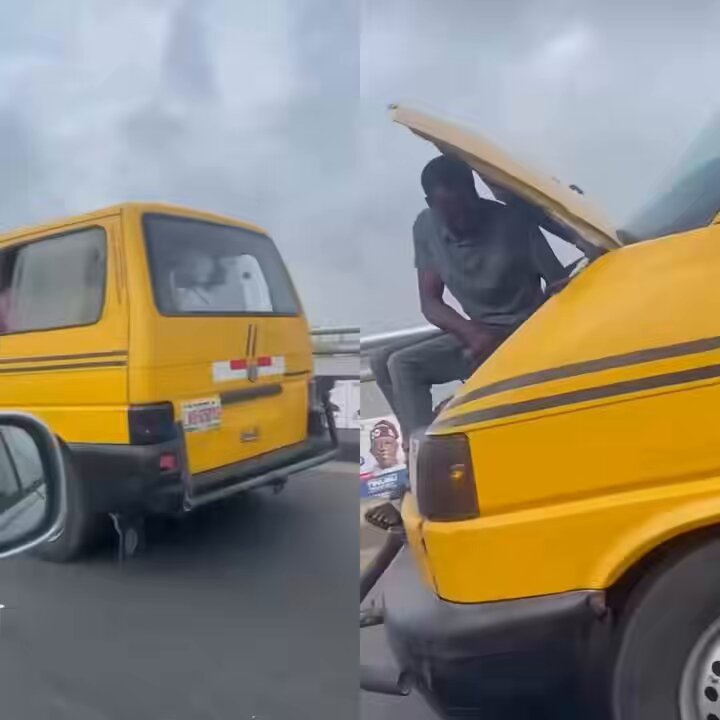
Commercial drivers who face pressure to complete multiple trips may also be tempted to drive too fast or continue travelling when they are tired.
Enforcement must therefore go beyond occasional patrols. Consistent monitoring, fair penalties and effective prosecution of serious traffic offences are necessary to discourage dangerous driving.
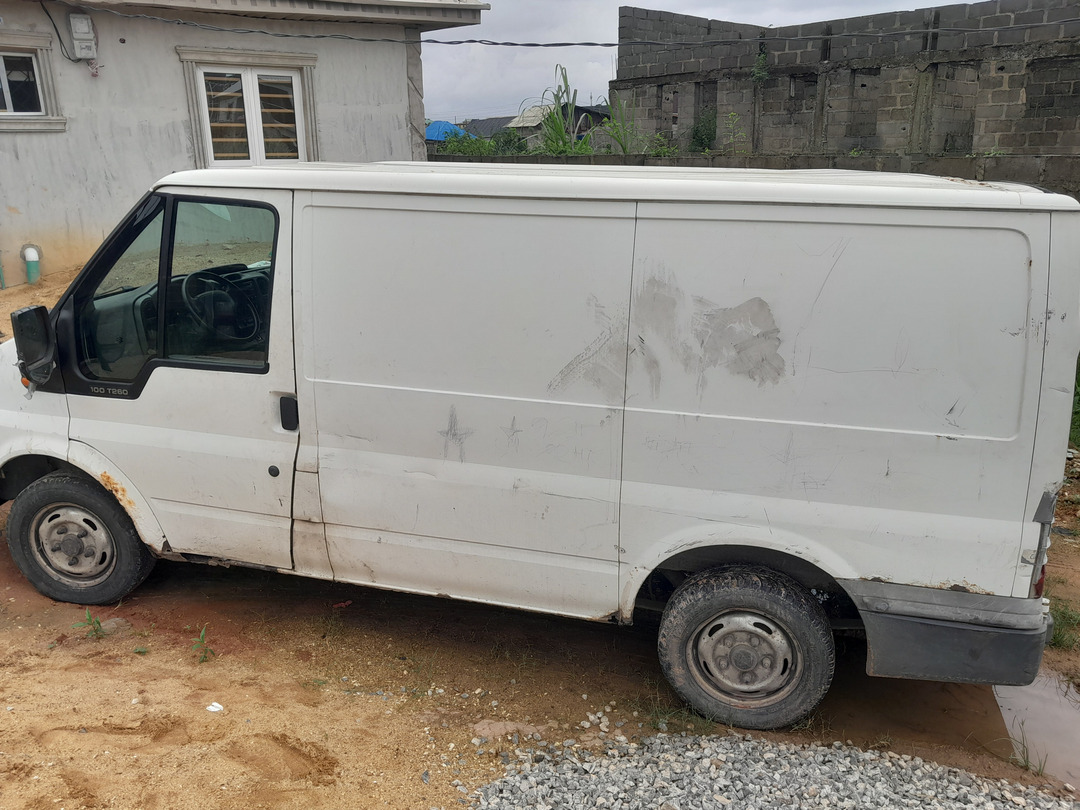
Poor vehicle maintenance remains a concern A vehicle travelling at highway speed can become a serious danger when its tyres, brakes or steering systems fail.
The FRSC has identified tyre bursts and brake failure among the factors associated with fatal crashes during its festive-season operations.
Vehicle owners and transport operators have a responsibility to ensure their vehicles are roadworthy. Drivers must also check their vehicles before long journeys and avoid carrying loads or passengers beyond permitted limits.
Regulatory authorities should ensure that commercial vehicles meet safety standards and that inspections are meaningful rather than merely procedural.
Are the roads safe enough? Driver behaviour is not the only issue that deserves attention.
Road design, maintenance, visibility, drainage, road markings, signage and the presence of dangerous road sections can all affect the likelihood and severity of crashes.
Where road surfaces deteriorate, warning signs are missing or lighting is inadequate, motorists may face additional risks, particularly at night or during poor weather.
However, identifying a road as dangerous requires evidence. Authorities should publish crash data showing where collisions occur most frequently and investigate whether road conditions, vehicle defects or driver behaviour contributed to each incident.
The government agencies responsible for constructing and maintaining highways should also provide clear information about repairs, safety improvements and the completion of projects on accident-prone routes.
Fatigue and pressure on commercial drivers Long-distance drivers may spend hours behind the wheel, sometimes with limited rest.
Fatigue can affect concentration, judgment and reaction time. When combined with speeding, overloaded vehicles or pressure to meet travel schedules, the risk of a serious crash can increase.
Transport companies must take responsibility for safe working conditions. Drivers should have adequate rest, and operators should not encourage journeys that require dangerous driving or excessive working hours.
Passengers also need to recognise that a driver who insists on speeding, overtaking recklessly or continuing despite obvious exhaustion is putting lives at risk.
Emergency response cannot replace prevention Emergency services save lives, but rescue operations begin after a crash has already occurred.
The FRSC recorded 687 crashes during its Operation Zero festive-season campaign covering December 15, 2025, to January 15, 2026. The operation recorded 597 deaths, according to figures released by the corps.
The statistics reinforce the need to examine both prevention and emergency response.
Authorities must improve the availability of rescue services, coordinate responses between agencies and ensure that crash victims can receive urgent medical attention.
At the same time, enforcement strategies should target the locations, times and behaviours associated with the greatest risks.
What should the authorities do? The government and road safety agencies should publish regular, accessible crash statistics that identify high-risk routes, common causes, repeat offences and enforcement outcomes.
Motorists need to know whether dangerous sections of highways are being repaired, whether speed limits are enforced consistently and whether transport operators responsible for repeated violations face appropriate sanctions.
The FRSC, police, highway authorities and state governments also need clear responsibilities and measurable targets for reducing fatalities.
The public should be able to assess whether interventions are working through reliable data rather than campaign announcements alone.
Drivers must obey speed limits, avoid dangerous overtaking, use seat belts, rest when tired and ensure their vehicles are roadworthy. Passengers should report reckless driving when it is safe to do so.
The question Nigeria must answer Road crashes are not all caused by one factor. Driver behaviour, mechanical failures, road conditions and weaknesses in enforcement can combine to produce deadly outcomes.
But when crashes and injuries rise, the response must go beyond another public awareness campaign.
How many lives could be saved through better enforcement, safer vehicles, improved highways and faster emergency response?
Nigerians deserve clear answers backed by data, visible improvements on dangerous routes and evidence that those responsible for preventable safety failures are being held accountable.
Every fatal crash leaves families with grief and communities with unanswered questions. Preventing these deaths must become a measurable public responsibility, not merely a recurring promise.
Yaro Insider believes road safety should be judged by lives protected, crashes prevented and the accountability of institutions responsible for keeping Nigerians safe.
Source: https://yaroinsider.ng/why-road-accidents-continue-in-nigeria/