About five years ago, when many of us arrived in the United Kingdom, we were fresh, enthusiastic, and highly optimistic. Being in the UK gave us a sense of freedom. It felt like leaving a prison. Almost everybody loved what they saw: stable electricity, good roads, magnificent buildings, a functioning transport system, exposure to people from different ethnic backgrounds, and even the weather for those who enjoyed the cold.
The conversations among Nigerians were often the same: How can we stay back? What visa routes are available? We need to come together and keep one another informed.
In 2021, life was good in the UK. There were plenty of blue-collar jobs and money was flowing. Nobody really cared about working in an office. Employers were actively searching for workers and offering shifts. Some immigrants worked themselves to exhaustion in pursuit of financial success. As American rapper Lil Wayne once suggested, we were on a paper chase, but the paper was not running.
People soon started looking "British" and overhauling their wardrobes. Some fashion enthusiasts switched exclusively to Nike products. These were the same people who had arrived with mostly unbranded clothes made in Aba, in south-eastern Nigeria. Social media became flooded with glossy pictures taken on iPhones in beautiful locations. Almost overnight, some Nigerian immigrants became social media influencers. After swapping their Android phones for Apple products, many began buying cars. The transformation was real.
Many people also wanted to build their travel records. It was a Plan B designed to facilitate future relocation to other Western countries if the UK did not work out. Some obtained Schengen visas and travelled across Europe. The ultimate targets were Canada, Australia, and the United States. It felt as though we were all living on borrowed time, and everyone wanted to make the most of it.
I remember two colleagues who exclusively dated foreigners. To many of us, they seemed like mini-gods. They would scroll through their phone galleries, Hinge profiles, and WhatsApp chats, proudly presenting evidence of their romantic conquests, complete with unfiltered and mouth-watering details. It was all about grandstanding.
The party was buzzing, but there was one subject nobody wanted to discuss: returning to Nigeria. No one was willing to entertain that conversation. Anybody who had useful information about visa routes instantly became the darling of the community. Their phone numbers were highly sought after, and people listened attentively whenever they spoke.
Then came the Health and Care Visa route, which many Nigerians saw as a lifeline. I still remember the excitement on the ward when my former employer announced via email that they had secured a licence to sponsor visas but had only a limited number of slots available. That single phrase, "limited slots," tore friendships apart. People became fiercely competitive. Relationships became strained as everyone fought for an opportunity to remain in the country. For some, it became a do-or-die affair. One day, I will tell that story in full.
To this day, one of the quickest ways to dampen the mood of a Nigerian immigrant is to remind them that their time in the country may be limited. Some stop eating properly, lose sleep, become isolated, and begin losing weight. The thought alone can be terrifying. The fear of Nigeria is real.
The recent story of a Nigerian woman who was allegedly given sixty days to secure visa sponsorship or leave the country inspired this article. She recorded herself in tears and shared the video on social media. Watching it, I could feel her pain.
Whether people agree with her reaction or not, it highlights a reality many immigrants understand: the prospect of returning home can be deeply unsettling.
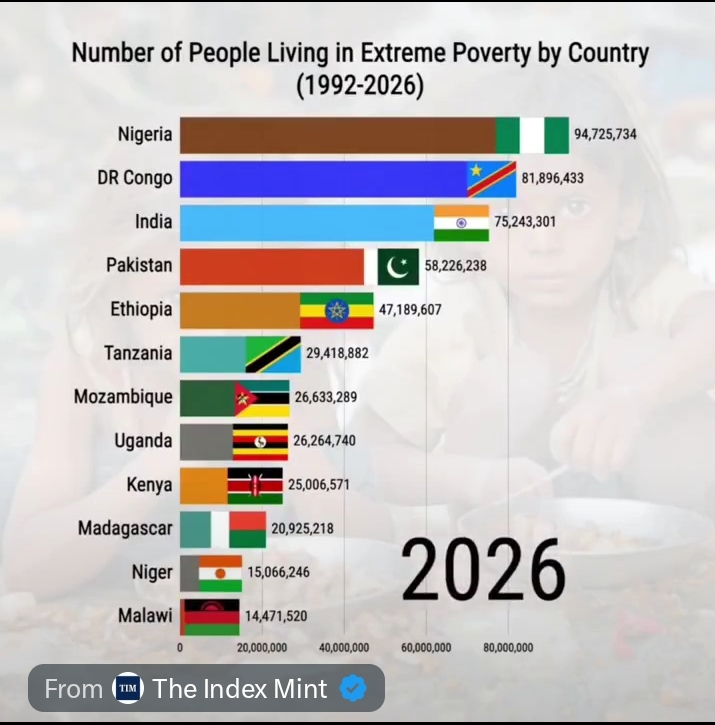
Personally, I would not mind returning to Nigeria under certain circumstances. However, in the current economic climate, I would find it difficult. The cost of living continues to rise, opportunities appear increasingly scarce, and everyday life has become more challenging for many people.
This economy is for the strong, and I am not entirely sure I am one of them.
https://www.facebook.com/share/1CHTiKhkuy/?mibextid=wwXIfr