By Samuel Ugonna Benson, Lead Analyst, Bold Lite Agency. Nigeria's economic recovery is entering a more complicated phase: headline inflation is falling and real GDP growth is accelerating, foreign capital inflows have surged - yet the underlying cost of capital remains restrictive enough to force businesses and investors to rethink where every naira is deployed. NBS put headline inflation at 15.43% in July, down from 15.91% in June and significantly below the 24.94% recorded in July 2025; month-on-month inflation moderated to 1.57% from 1.66%.
That is genuine disinflation, but not the same as falling prices - prices are still going up, simply more slowly: a distinction that matters for households, manufacturers and corporate treasury departments deciding whether the improvement is durable enough for longer-term investment commitments. Disinflation meets a still-restrictive monetary system: the CBN has maintained the MPR at 26.5% while the CRR for deposit money banks remains 45% - policy settings showing the monetary authority still prioritises inflation management.
Inflation is moving downward, but nominal borrowing costs remain high; banks still price credit per funding costs, liquidity requirements, borrower risk, tenor and expected inflation - so the strategic value of internally generated cash remains high. The companies best positioned may be those capable of turning existing cash into productive assets faster. Foreign capital is returning - but not yet broad-based: Nigeria attracted $10.37 billion in foreign capital during Q1 2026 (an 83.83% increase from $5.64 billion in Q1 2025, and 60.97% above Q4 2025).
But portfolio investment accounted for $9.86 billion (95.09%) while FDI stood at only $135.08 million (1.30%); money-market instruments attracted $6.50 billion and bonds $3.23 billion. Portfolio investors respond rapidly to interest-rate differentials and FX expectations; direct investors require deeper commitment to factories, infrastructure, technology, employment. The next test is whether that appetite migrates from financial instruments into productive capacity.
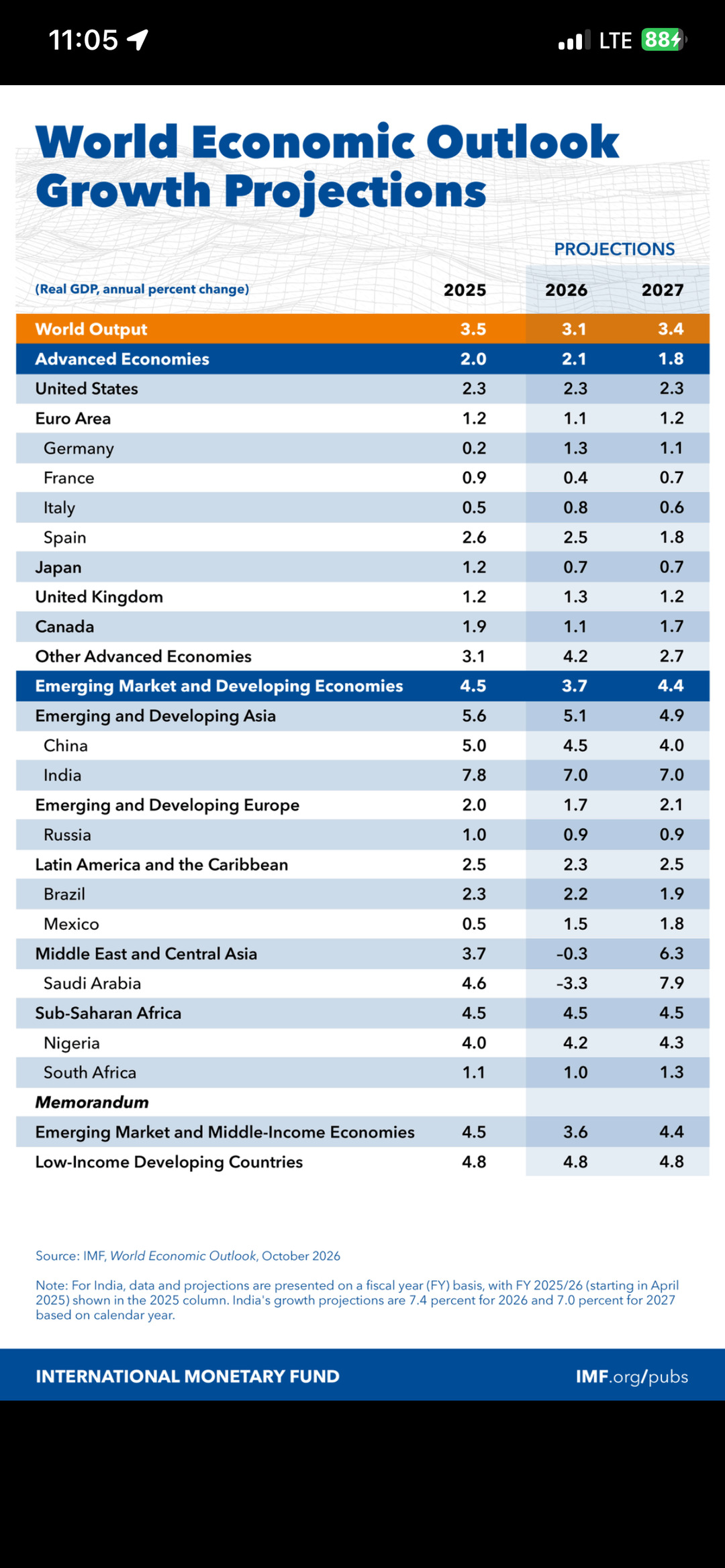
GDP growth strengthens the case: GDP expanded 4.43% y/y in Q2 2026 (from 3.89% in Q1 and 4.23% in Q2 2025); services grew 4.60%, agriculture 4.39%, non-oil economy 4.31%; industrial growth slowed to 3.96% from 7.46% a year earlier, oil production averaged 1.72mbpd lifting oil-sector growth to 7.31% - yet oil is only 4.16% of real GDP (non-oil 95.84%). Nigeria's growth story increasingly depends on the non-oil economy sustaining expansion while industrial productivity catches up - putting manufacturing, telecoms, financial services, agriculture, construction and logistics directly inside the capital-allocation conversation.
Energy costs could complicate disinflation: the Dangote refinery PMS gantry price increase to N1,350/litre creates a potential cost channel via transport and distribution; for manufacturers, logistics operators and agricultural distributors, the issue is fuel intensity - margin pressure differs greatly between inefficient fleets and operators using route optimisation and consolidated deliveries.
Corporate boards need to distinguish between cheap-looking assets and productive assets: a lower inflation rate may improve planning visibility, but a 26.5% policy rate still makes poorly structured borrowing expensive. Full briefing: boldliteagency.com/the-disinflation-inflection... WhatsApp channel: whatsapp.com/channel/0029VbDO2a8DjiOlL3pTdH0W