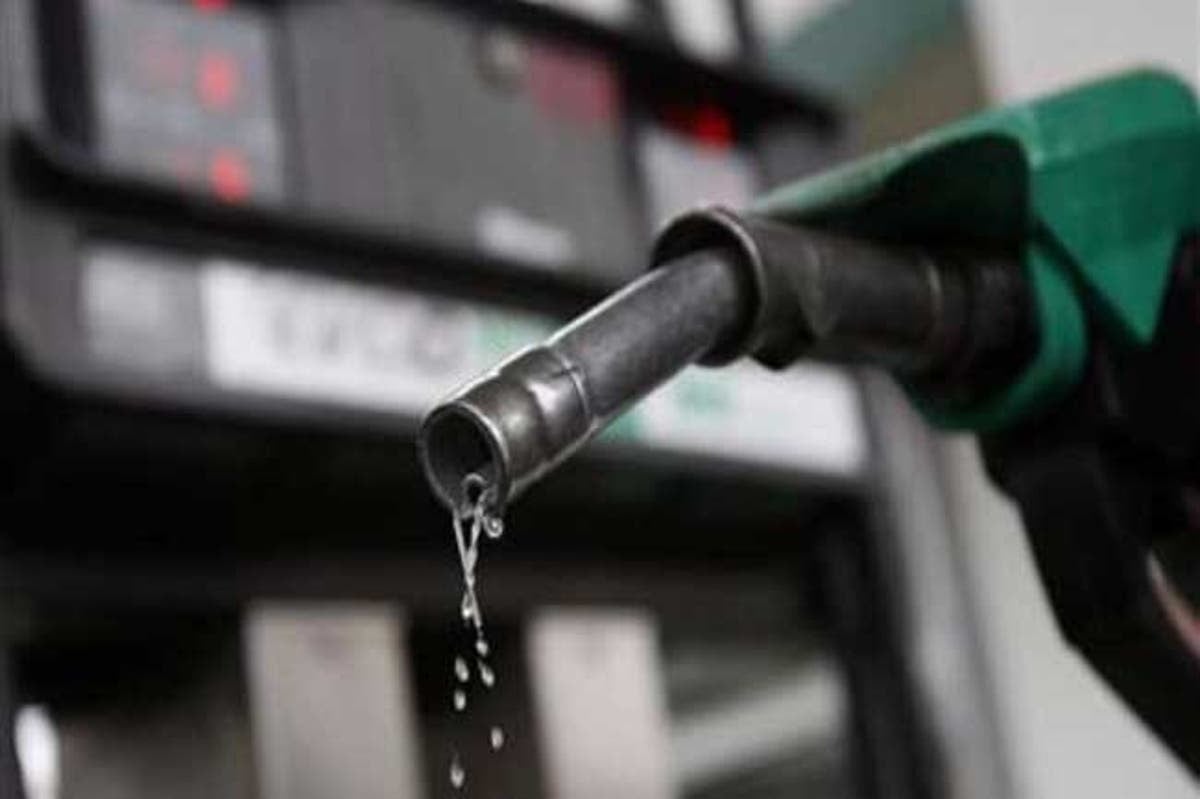
When the fuel subsidy ended in May 2023, the average price of petrol was around ₦238 a litre. Fast forward a year, and that price skyrocketed to ₦770. Today, petrol costs a staggering ₦1,400 a litre.
But this is not just a story about petrol prices. The impact of the subsidy removal ripples through our entire economy. The money spent at the pump does not just disappear; it affects everything, from transport fares to the cost of running a small shop with a generator. For example, a fish seller in Lagos used to sell a carton of Titus for ₦30,000, but now it’s gone up to ₦50,000, if not more. This shows that the end of the fuel subsidy is not just about the fuel itself; it is a cost-of-living issue that affects us all.
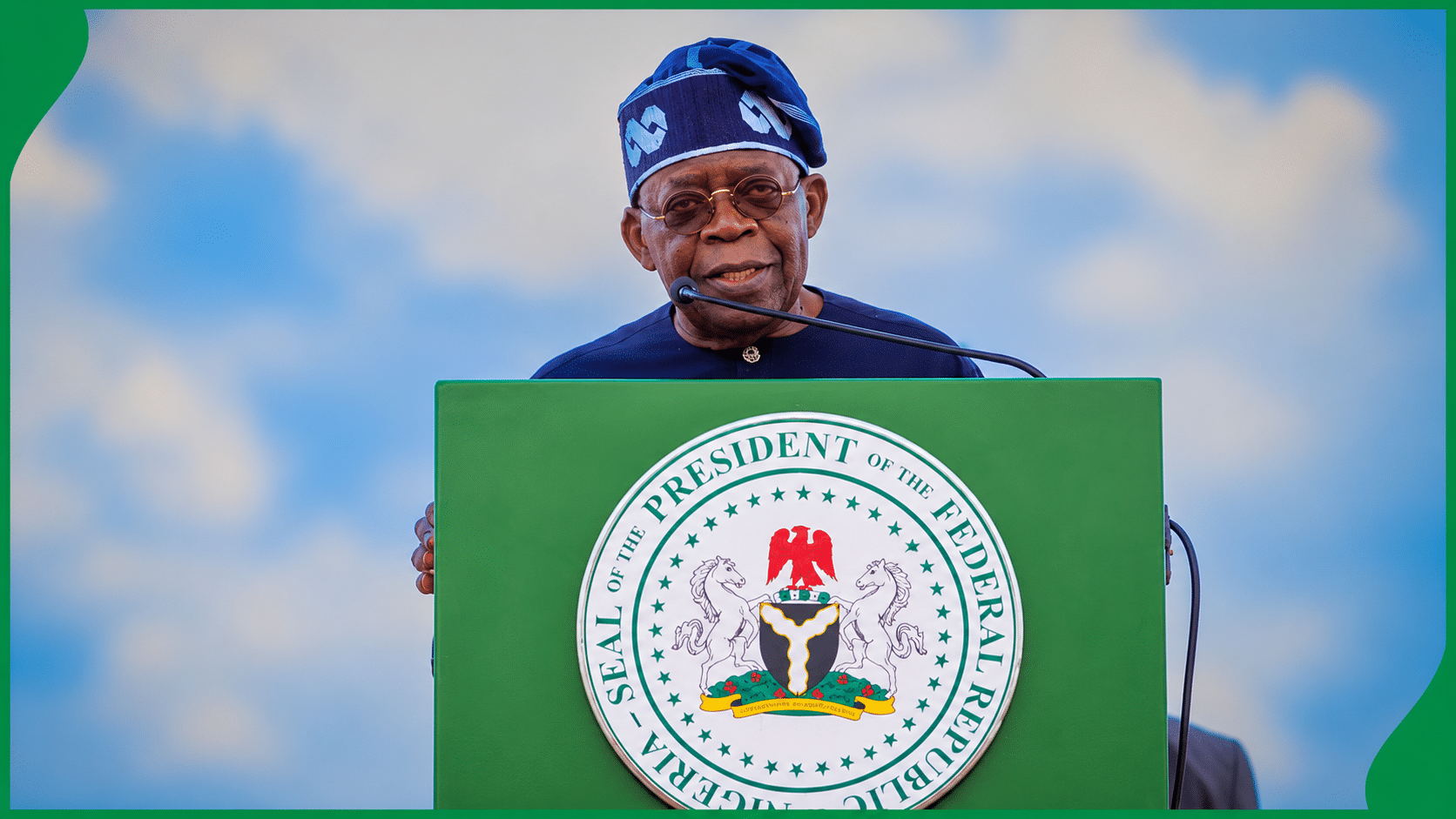
At the recent Franco-Nigerian Chamber of Commerce & Industry (FNCCI) @CCIFN CEO Luncheon in Lagos, I shared my thoughts on the immediate aftermath of President Tinubu's decision to remove the subsidy. I also predicted the future based on my insights, an imagination that is starting to unfold in ways I had not quite expected.
Wouldn’t it be interesting if things played out exactly as I imagined? Watch the full conversation to see what I pictured.
When the fuel subsidy ended in May 2023, the average price of petrol was around ₦238 a litre. Fast forward a year, and that price skyrocketed to ₦770. Today, petrol costs a staggering ₦1,400 a litre.
But this is not just a story about petrol prices. The impact of the subsidy… pic.twitter.com/ajza36807d
— Dr. Olisa Agbakoba, SAN (@oagbakoba) October 9, 2026